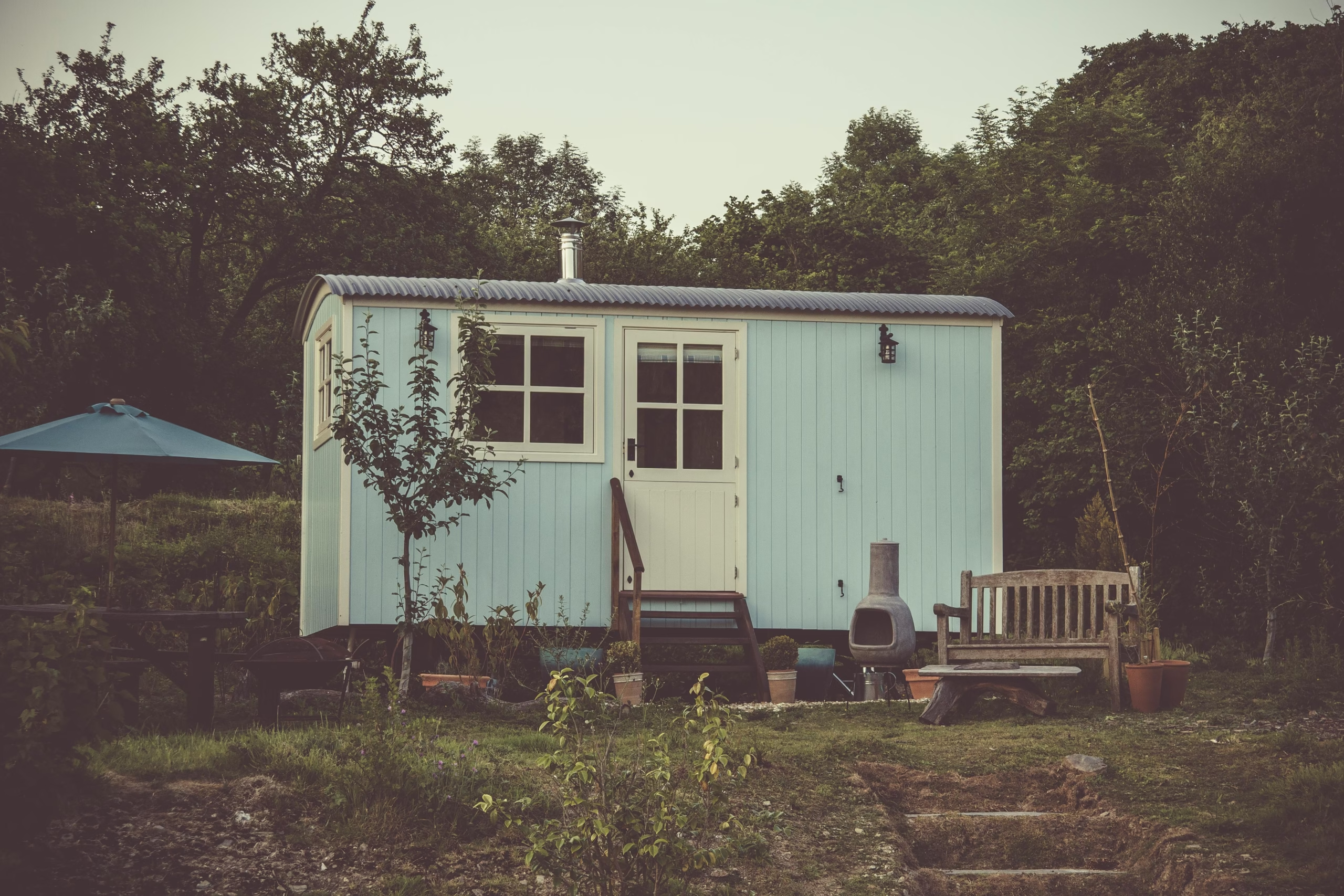
Eco-friendly tiny homes are a perfect blend of sustainability and simplicity, providing a charming solution for those looking to reduce their environmental footprint.
These compact living spaces are designed to maximize efficiency while minimizing waste, offering a cozy lifestyle that harmonizes with nature.
Discover the perks of downsizing and living greener, all without compromising comfort.
Innovative Design Concepts for Tiny Homes
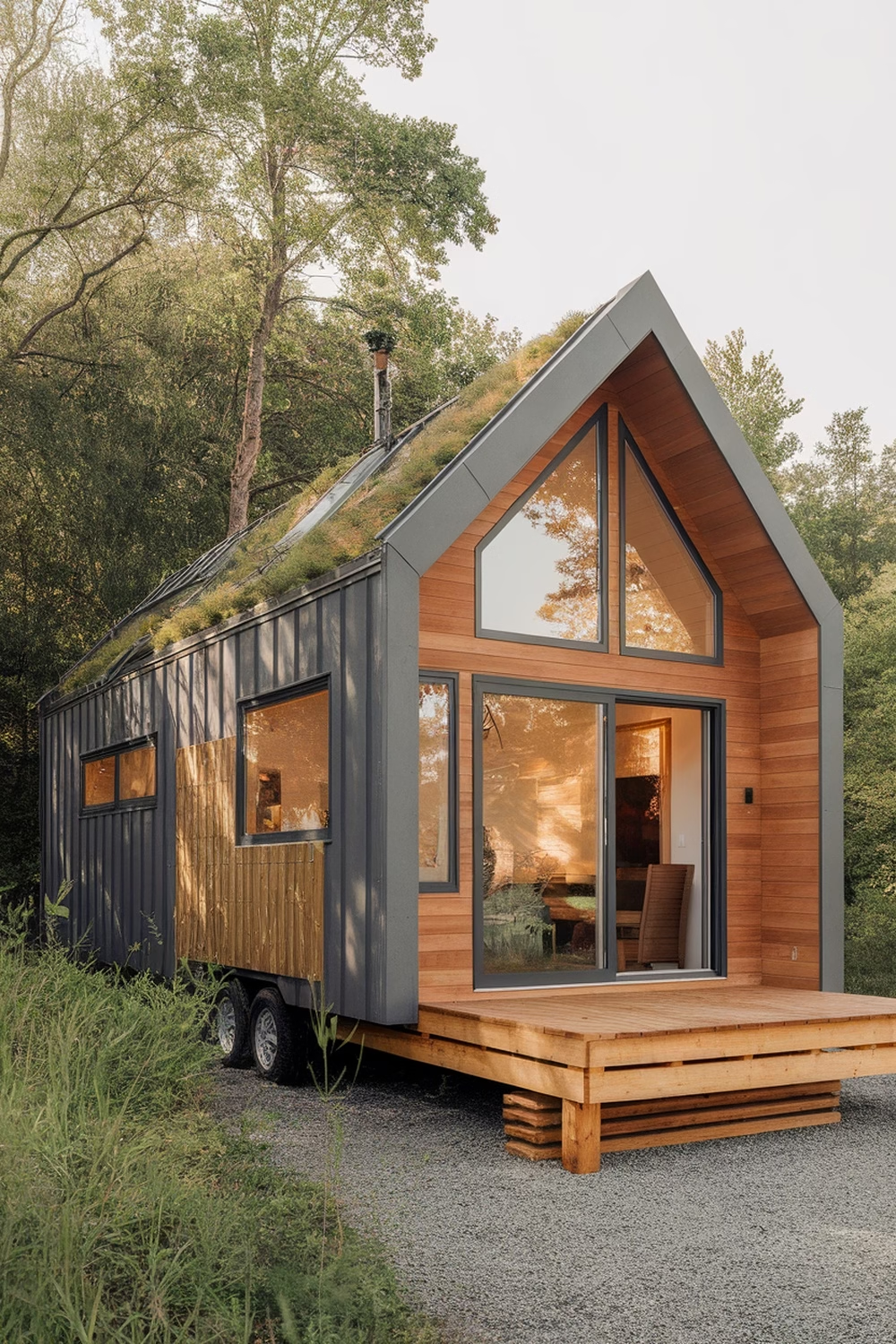
Tiny homes are more than just small spaces; they represent a shift towards sustainable living. The image showcases a stunning tiny home that blends modern design with eco-friendly features. The structure has a sleek, angular roof adorned with greenery, which not only looks great but also helps with insulation.
The large windows invite natural light, creating an open and airy feel inside. This design choice emphasizes the connection between indoor and outdoor spaces, making the home feel larger than it is. The use of natural materials, like wood, adds warmth and charm, enhancing the overall aesthetic.
Another interesting aspect is the home’s mobility. Built on wheels, it can be relocated easily, allowing for a flexible lifestyle. This feature is perfect for those who enjoy exploring different environments while maintaining a cozy living space. Tiny homes like this one are paving the way for innovative and sustainable living solutions.
Energy-Efficient Appliances for Tiny Homes
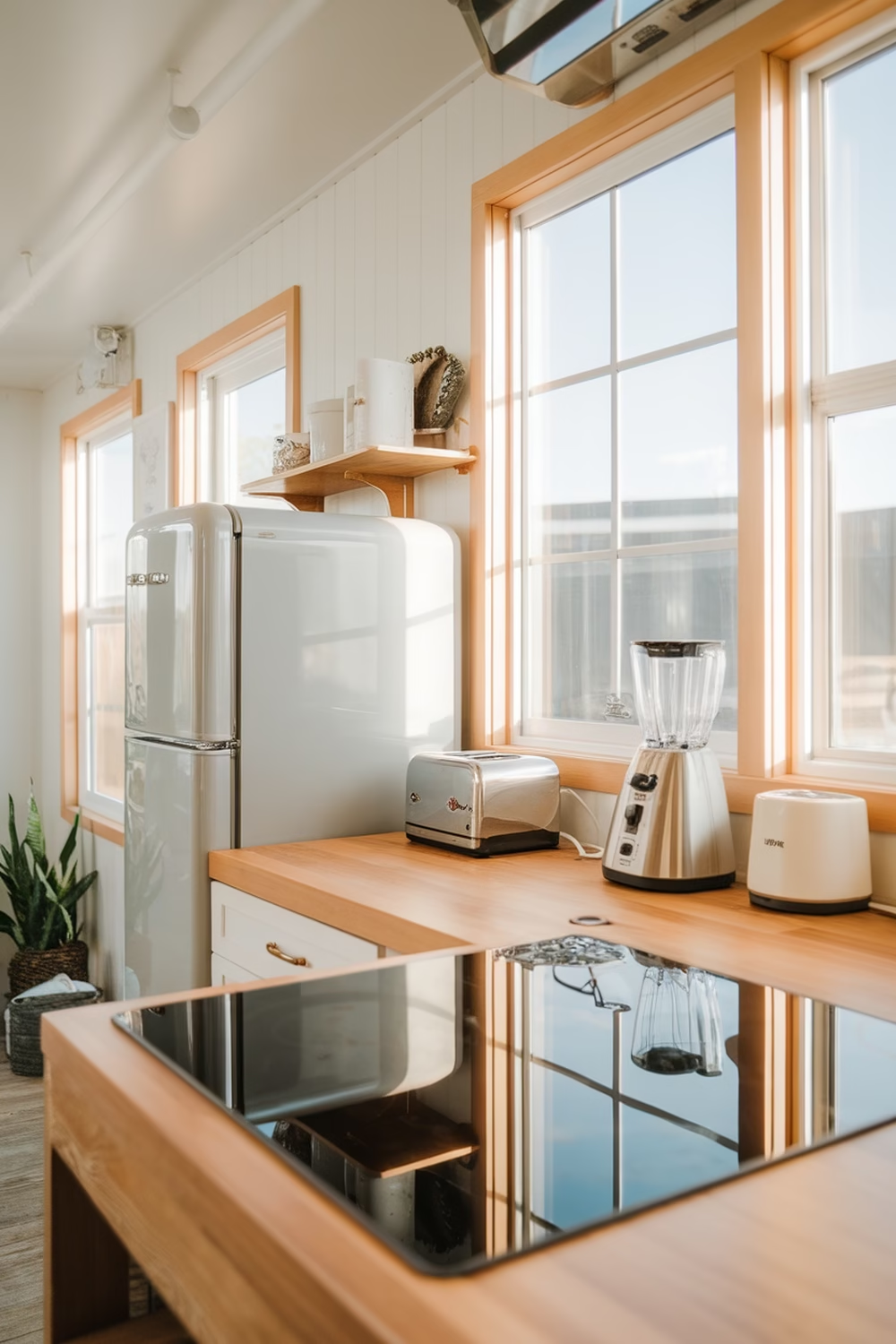
In the world of tiny homes, every square foot counts, and so does every watt of energy. The image showcases a bright and airy kitchen filled with energy-efficient appliances. A sleek refrigerator stands proudly next to a shiny toaster and a modern blender, all designed to consume less energy while providing maximum functionality.
The black cooktop reflects the natural light streaming through the windows, creating a warm and inviting atmosphere. This setup not only looks great but also emphasizes the importance of choosing appliances that help reduce energy consumption. By opting for energy-efficient models, tiny home dwellers can lower their utility bills and lessen their environmental impact.
Incorporating these appliances into a tiny home is a smart move for anyone looking to live sustainably. They are often compact and designed to fit seamlessly into smaller spaces, making them perfect for tiny living. Plus, many energy-efficient appliances come with features that make cooking and cleaning easier, allowing for a more enjoyable living experience.
Maximizing Space with Multi-Functional Furniture
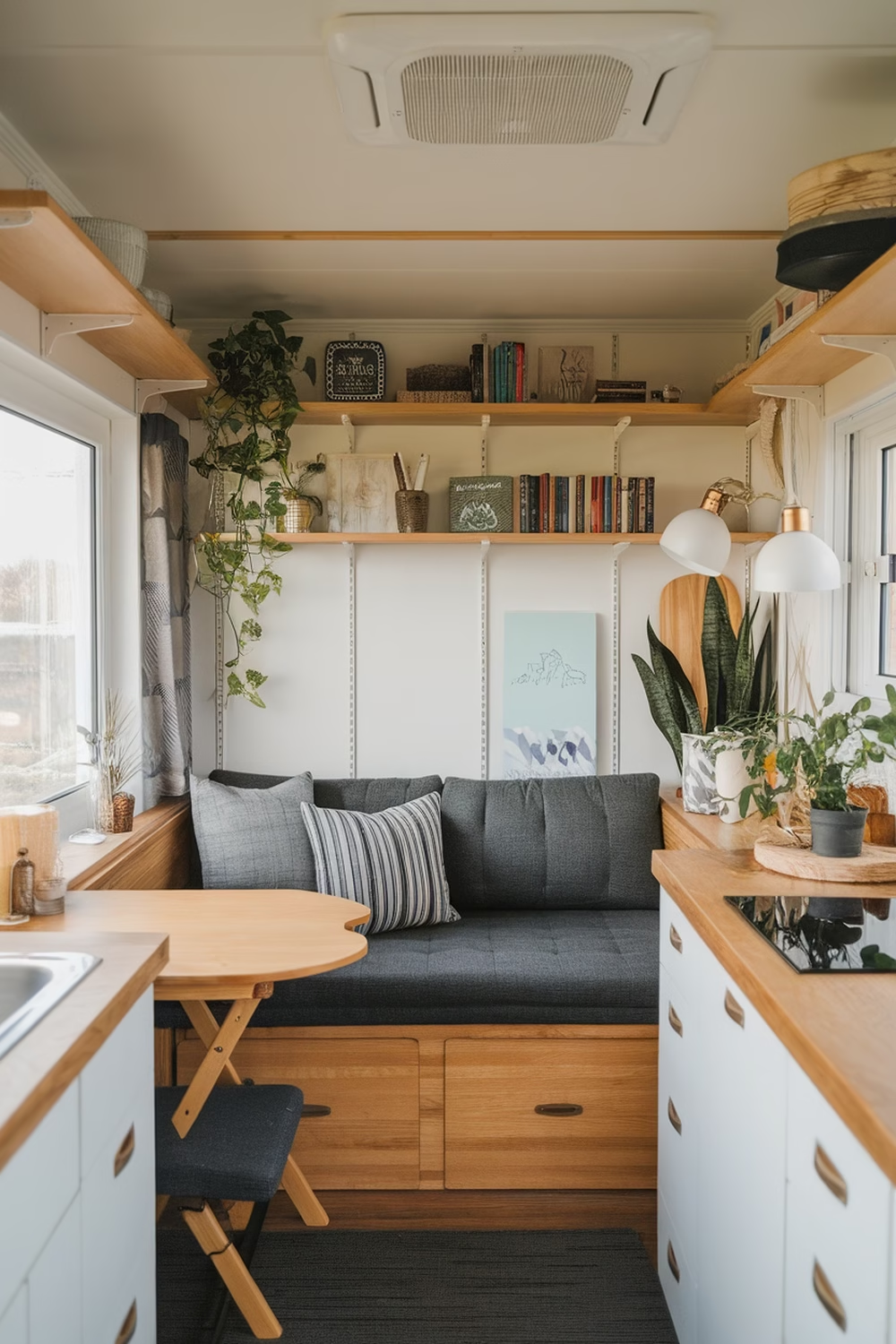
In tiny homes, every inch counts. The image showcases a cozy living area that perfectly illustrates how multi-functional furniture can make a big difference. The sofa doubles as storage, providing a place to tuck away blankets or books. This clever design keeps the space tidy and organized.
The small, round table is another great example. It can serve as a dining table, a workspace, or even a game table. When not in use, it can easily be folded away, freeing up space for movement. This flexibility is key in tiny living.
Open shelving above the couch adds both style and functionality. It offers a place for books and decorative items while keeping the floor space open. The greenery adds a touch of life, making the area feel welcoming and fresh.
Overall, this tiny home design shows how thoughtful furniture choices can create a functional and stylish living space. Embracing multi-functional pieces is essential for anyone looking to live sustainably in a smaller footprint.
Efficient Waste Management in Tiny Living
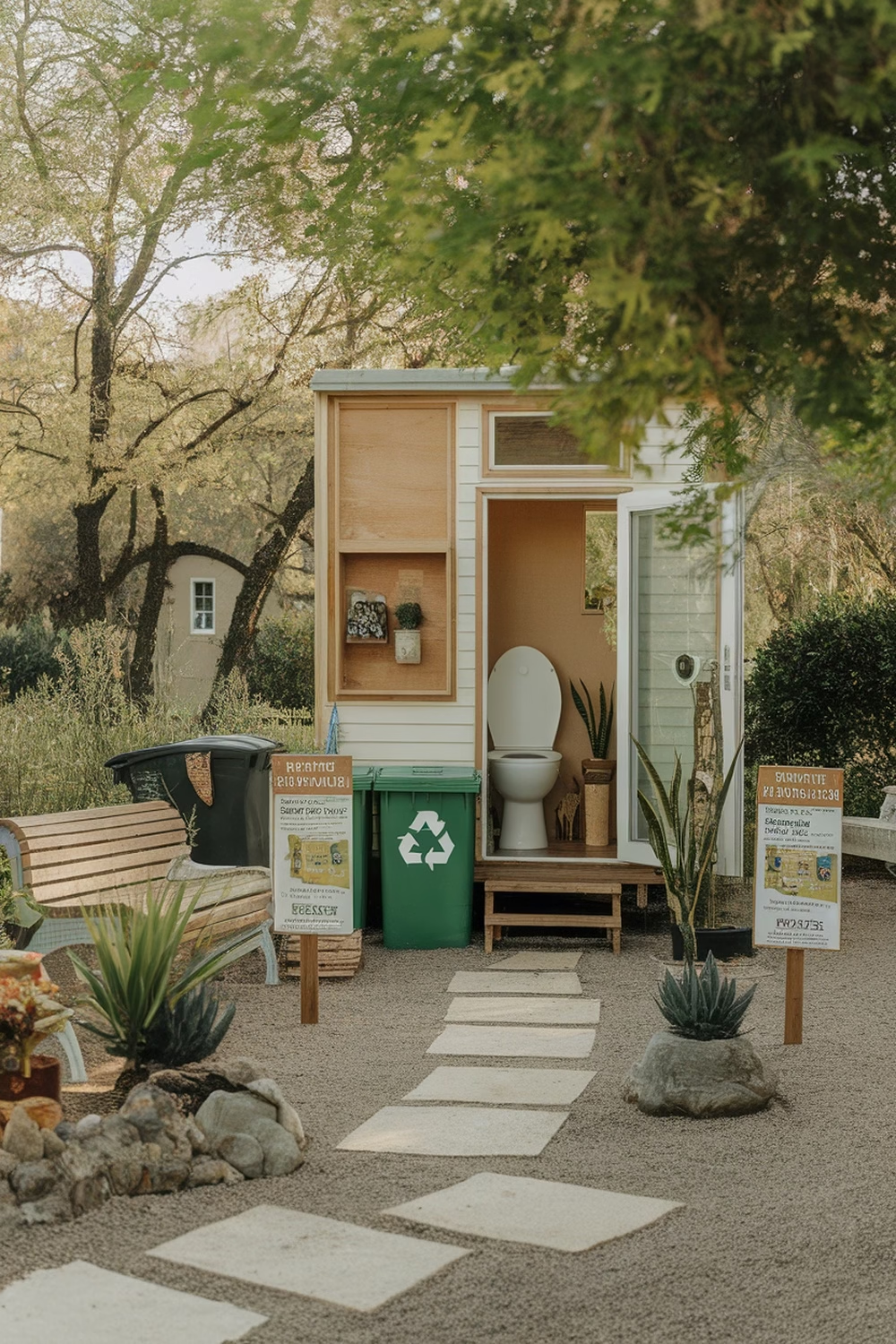
In the world of tiny homes, efficient waste management is key to sustainable living. The image shows a charming tiny structure with a unique composting toilet and colorful recycling bins. This setup highlights how tiny homes can embrace eco-friendly practices.
The composting toilet is a great alternative to traditional plumbing. It reduces water usage and turns waste into compost, which can be used to enrich soil. This not only minimizes waste but also supports a circular economy.
The recycling bins in blue, yellow, and green are perfect for sorting waste. They encourage proper disposal and recycling, making it easier to reduce landfill contributions. By having designated bins, tiny home dwellers can stay organized and responsible.
Overall, this image captures the essence of how tiny living can be both practical and environmentally friendly. With thoughtful waste management solutions, tiny homes can lead the way in sustainable living.
Rainwater Harvesting Systems for Water Conservation
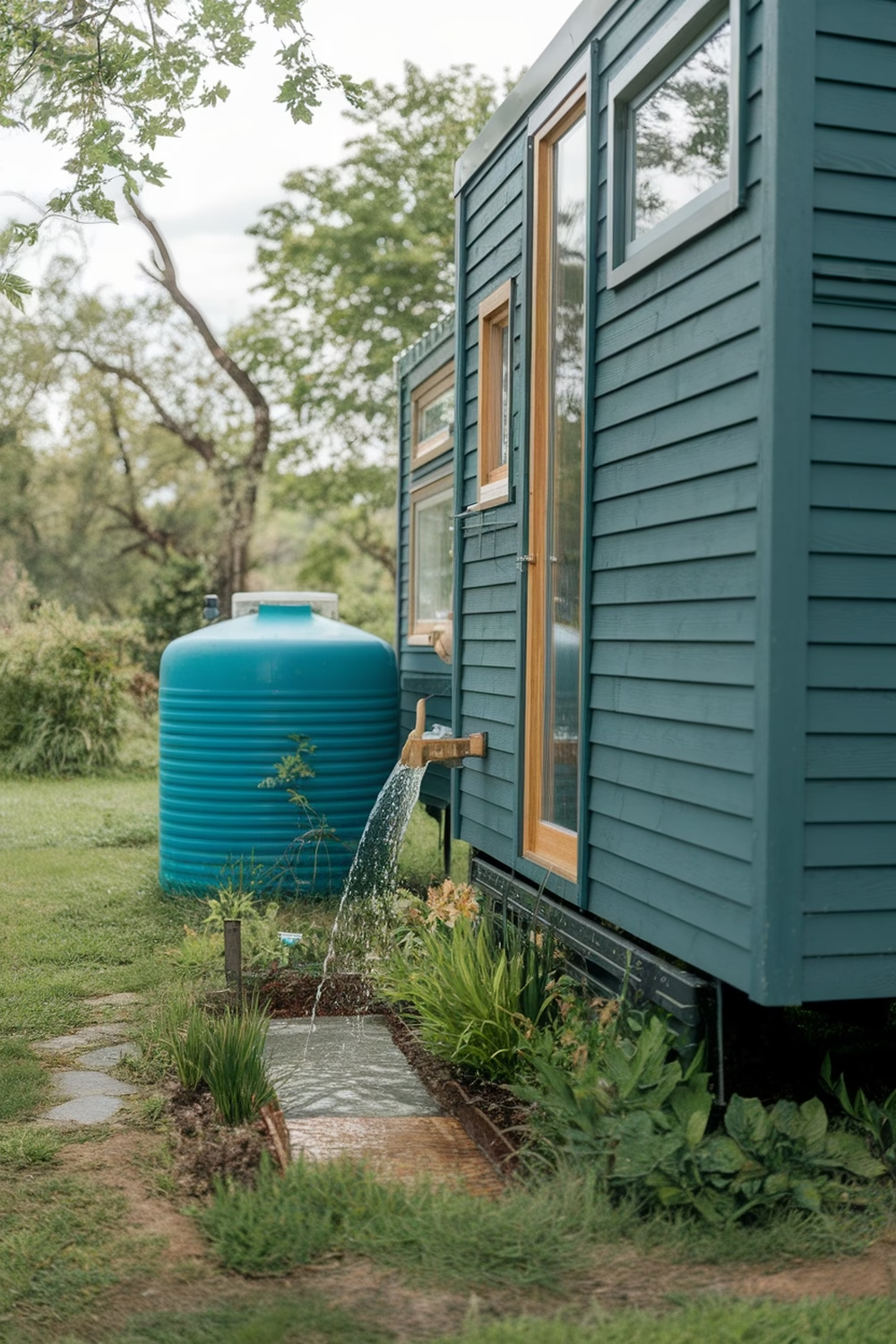
Rainwater harvesting is a smart way to conserve water, especially in eco-friendly tiny homes. The image shows a charming tiny home with a rainwater collection system. A large blue tank sits nearby, ready to store precious rainwater. This setup not only reduces water bills but also helps in managing water resources sustainably.
The system works by capturing rainwater from the roof and directing it into the storage tank. From there, it can be used for various purposes, like watering plants or even flushing toilets. This method is simple yet effective, making it a popular choice for those looking to live sustainably.
Using rainwater can significantly lessen the demand on municipal water systems. It’s a win-win for both the environment and your wallet. Plus, it’s a great way to feel more connected to nature, knowing that you’re using water that fell from the sky.
Sustainable Building Materials for Eco-Conscious Construction
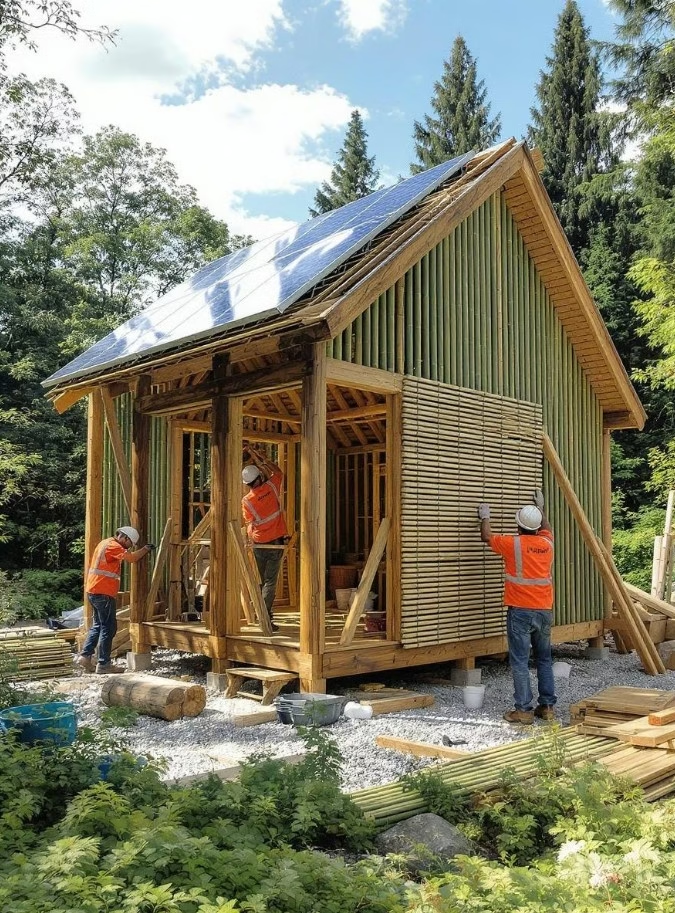
The image showcases a tiny home under construction, surrounded by nature. This scene perfectly illustrates the growing trend of eco-friendly living. The builders are using sustainable materials, which is key to reducing our environmental footprint.
In tiny home projects like this, materials such as reclaimed wood, bamboo, and recycled metal are often chosen. These options not only minimize waste but also add unique character to the home. The blue exterior and large windows hint at a design that maximizes natural light, which is another sustainable practice.
Using local materials can also cut down on transportation emissions. This tiny home, built on wheels, emphasizes mobility and flexibility, allowing homeowners to live lightly on the land. The construction process itself is a community effort, showcasing collaboration and shared values in sustainable living.
Creating a Self-Sufficient Garden
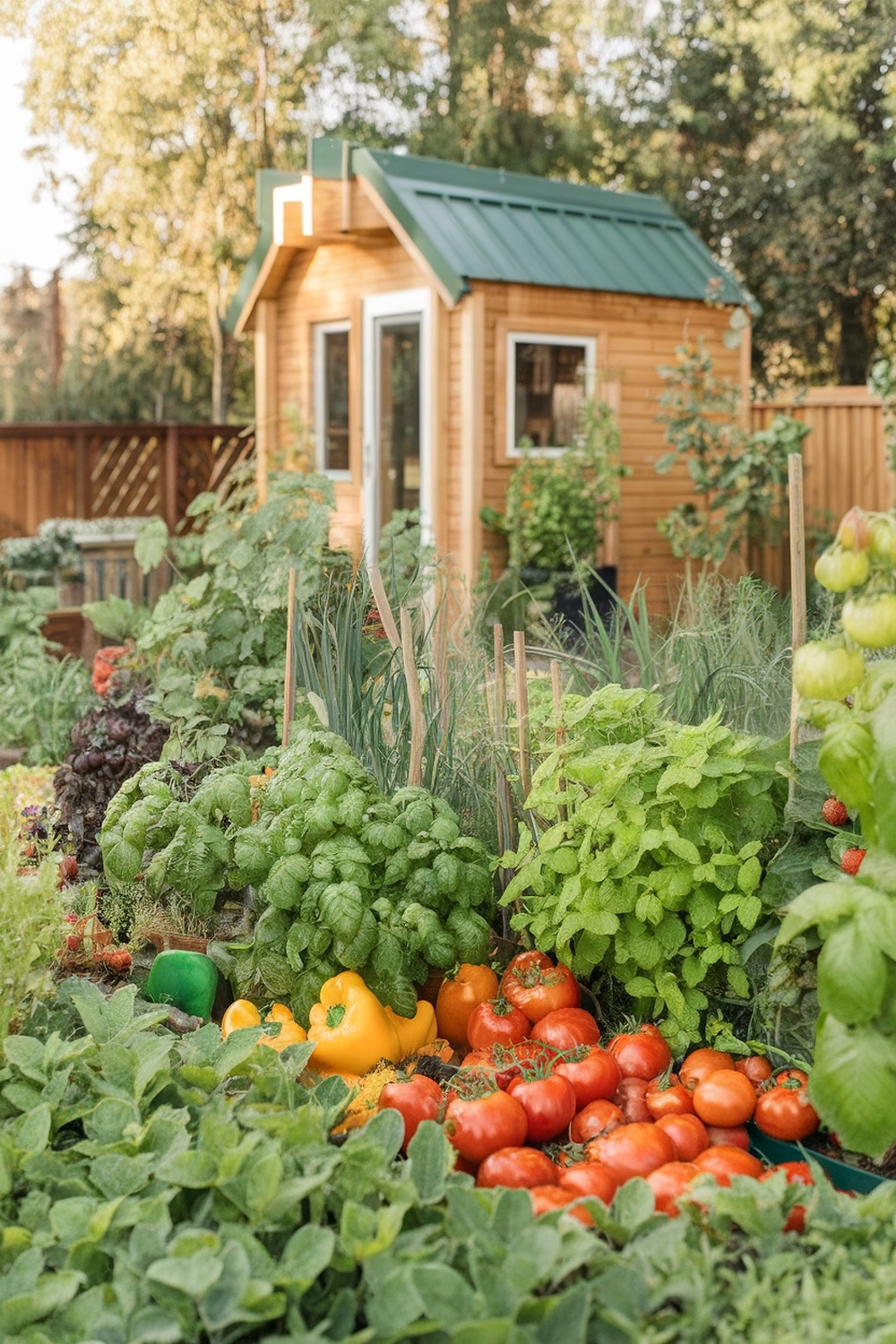
Imagine stepping out of your eco-friendly tiny home and into a vibrant garden bursting with life. This image captures the essence of a self-sufficient garden, where fresh vegetables and herbs thrive. The colorful array of tomatoes, peppers, and leafy greens showcases the beauty of growing your own food.
Creating a self-sufficient garden is not just about aesthetics; it’s about sustainability. You can reduce your carbon footprint by growing your own produce. Plus, there’s nothing quite like the taste of fresh veggies picked right from your backyard.
Start by choosing a variety of plants that suit your climate and taste. Herbs like basil and mint are easy to grow and can enhance your meals. Tomatoes and peppers are also great choices, providing both flavor and nutrition. Remember to plan your garden layout to maximize sunlight and space.
Incorporating composting into your gardening routine can enrich the soil and promote healthy plant growth. It’s a simple way to recycle kitchen scraps and yard waste. With a little effort, your tiny home can be surrounded by a flourishing garden that supports your sustainable lifestyle.
Solar Energy Solutions for Off-Grid Living
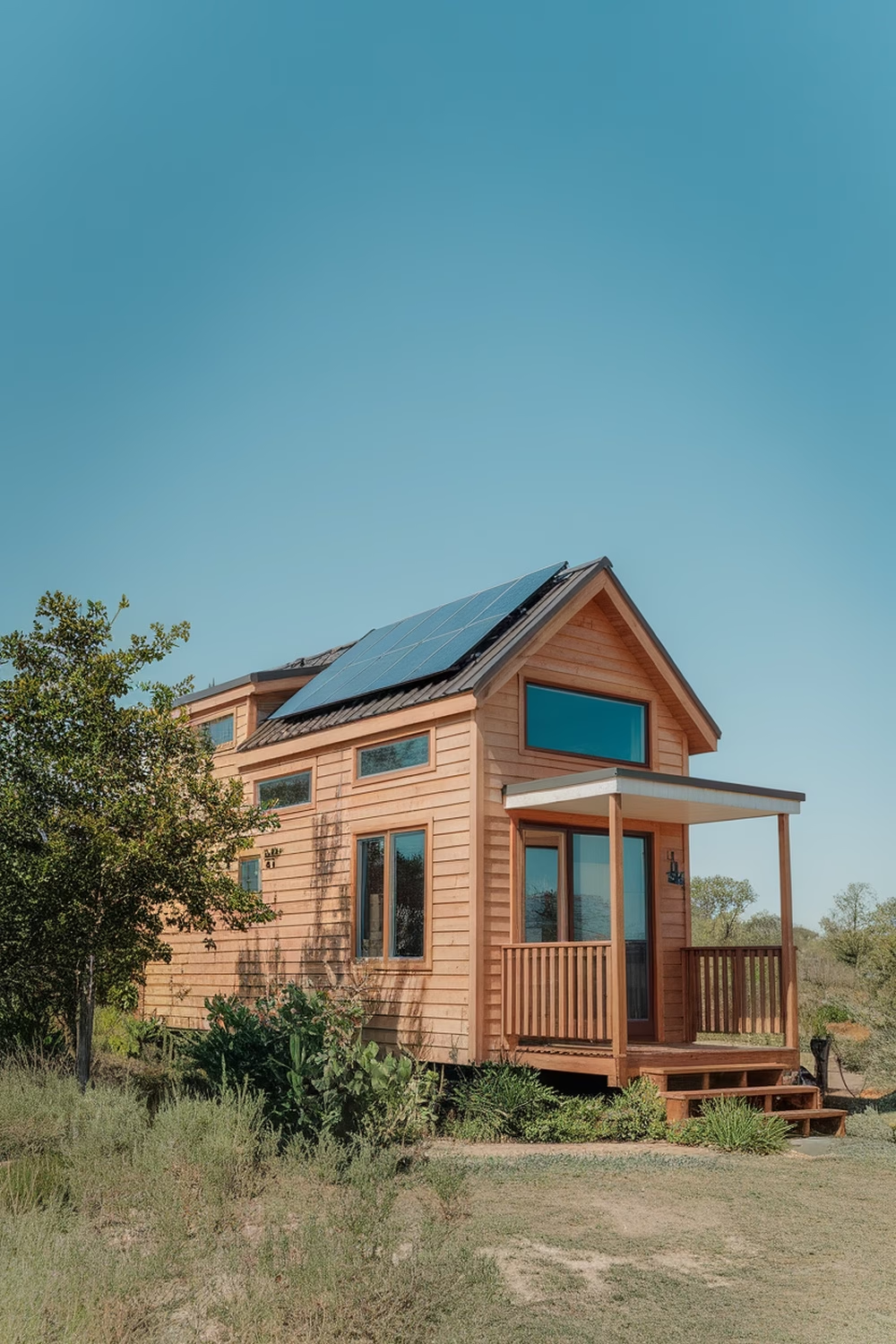
Picture a cozy tiny home, nestled in nature, with solar panels soaking up the sun. This image perfectly captures the essence of sustainable living. The wooden exterior blends seamlessly with the surrounding greenery, showcasing how eco-friendly designs can harmonize with the environment.
Solar energy is a game changer for those looking to live off the grid. With solar panels installed on the roof, this tiny home can generate its own electricity. This means you can power your lights, appliances, and even charge your devices without relying on traditional power sources.
Living in a tiny home equipped with solar energy solutions not only reduces your carbon footprint but also cuts down on utility bills. It’s a win-win! Plus, the independence that comes from generating your own power is incredibly liberating. You can enjoy the beauty of nature without the worry of rising energy costs.
For anyone considering a tiny home, integrating solar energy is a smart move. It allows you to embrace a sustainable lifestyle while enjoying the comforts of modern living. So, whether you’re looking to downsize or simply want to live more sustainably, solar energy solutions can help you achieve your goals.
Community Living and Shared Resources
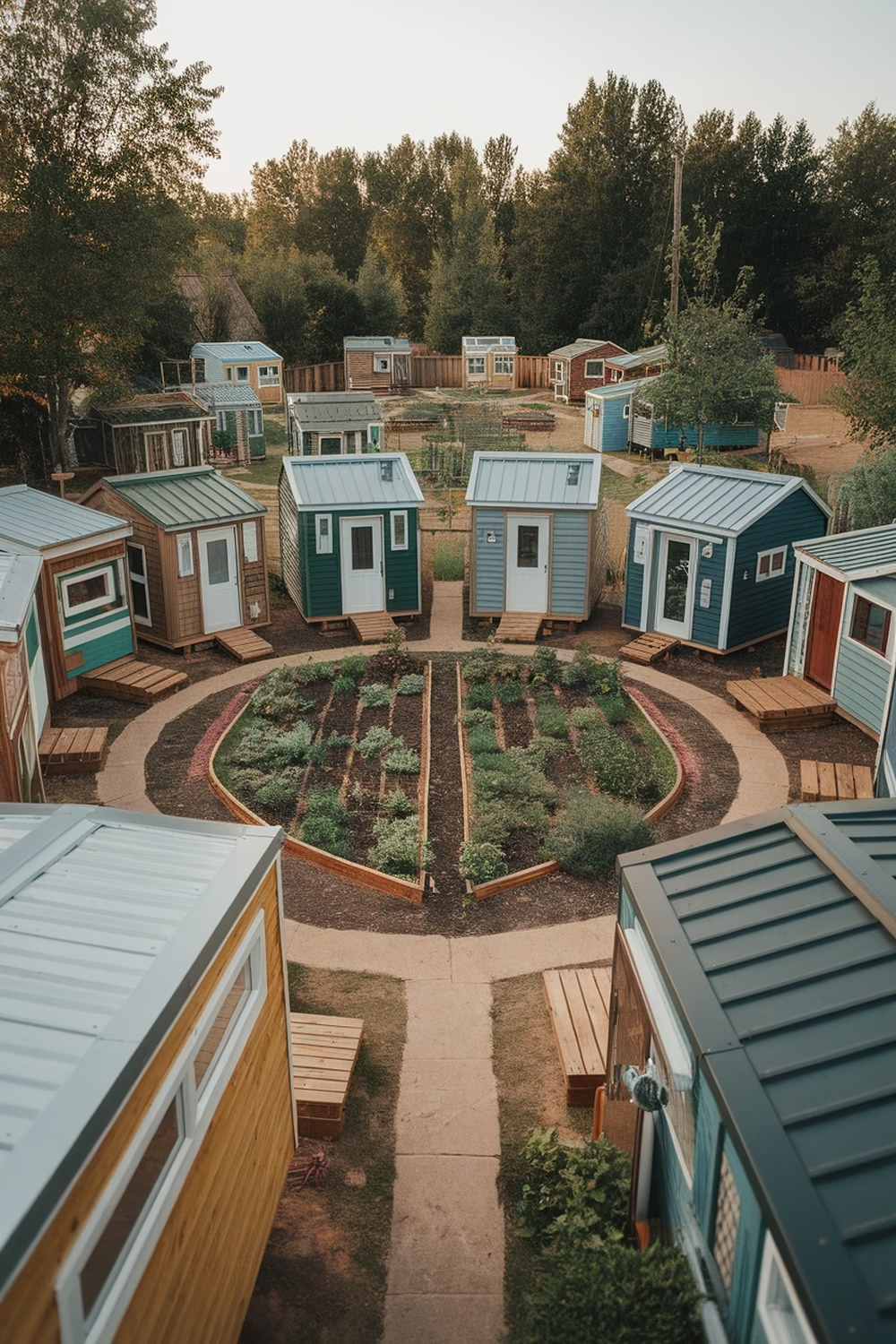
In the image, we see a vibrant community of tiny homes, each uniquely colored and arranged around a central garden. This setup fosters a sense of togetherness among residents. The circular layout encourages interaction and collaboration, making it easy for neighbors to connect.
Community living in tiny home setups promotes shared resources. Residents can pool together for gardening, tool sharing, and even communal meals. This not only reduces individual costs but also strengthens bonds among neighbors. Imagine sharing a garden where everyone contributes and benefits from fresh produce!
These tiny home communities often focus on sustainability. By sharing resources, residents can minimize waste and reduce their environmental footprint. It’s a win-win for both the community and the planet. Living close to nature and each other creates a supportive environment that enhances the overall quality of life.
The Benefits of Minimalist Living
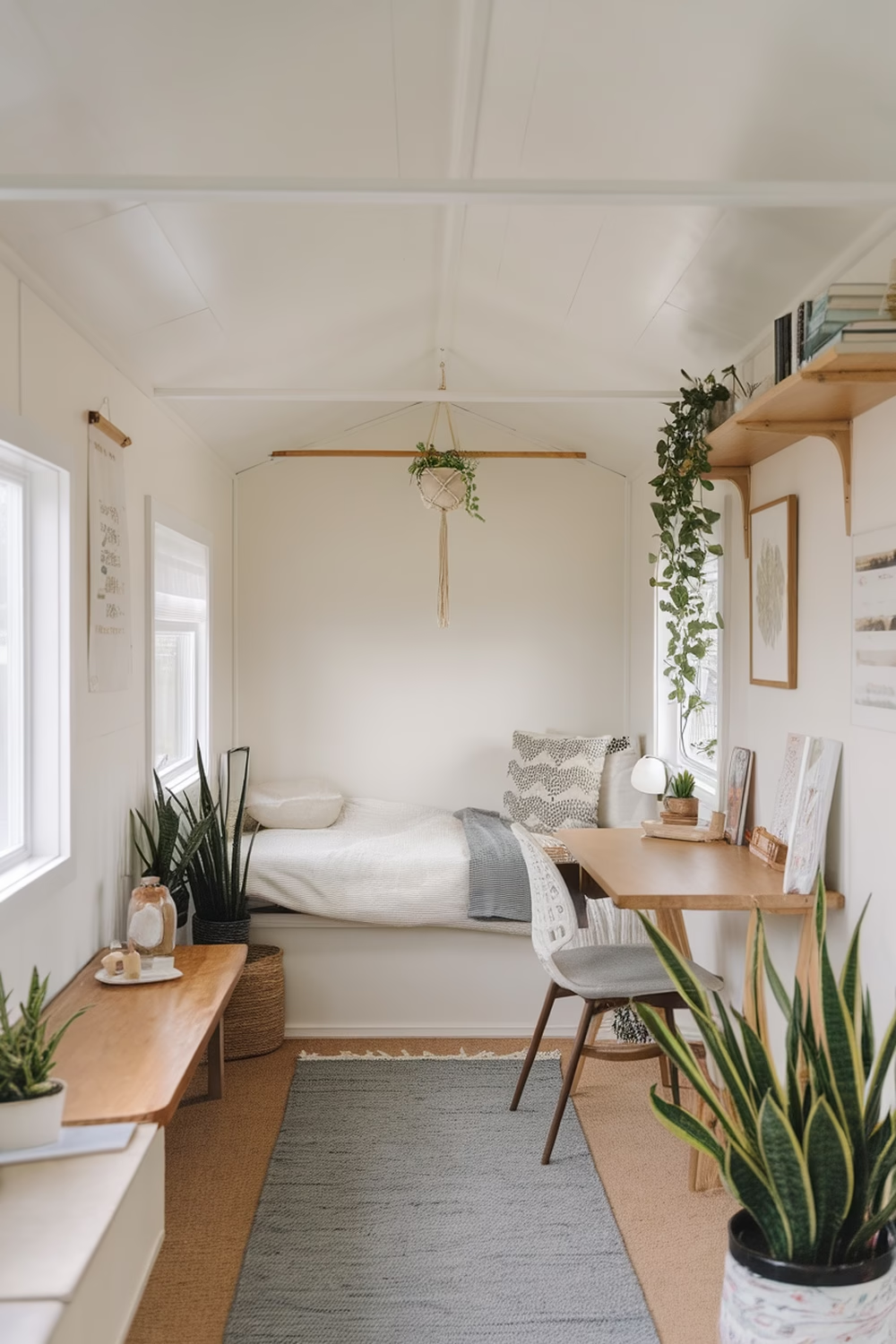
Minimalist living is all about simplifying life. The image shows a cozy tiny home, filled with natural light and greenery. This space reflects a lifestyle that values quality over quantity. The clean lines and uncluttered design create a peaceful atmosphere.
Living in a tiny home encourages you to focus on what truly matters. With less space, you tend to own fewer possessions. This can lead to less stress and more time for experiences rather than things. The simplicity of the design in the image highlights how a minimalist approach can enhance your daily life.
Another benefit is the connection to nature. The plants in the room not only add beauty but also improve air quality. This tiny home feels inviting and warm, making it a perfect retreat from the outside world. Embracing minimalist living can help you appreciate your surroundings and foster a sense of calm.
Final Words
Tiny homes are often more sustainable. They require fewer resources to build and maintain.
This contributes to a smaller carbon footprint, making a positive impact on the environment.
The eco-friendly elements in the image showcase how living can align with a commitment to sustainability.