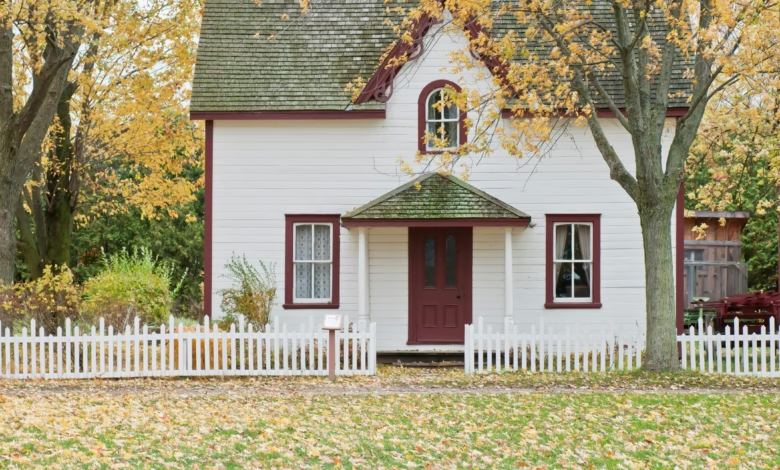
21 Picket Fence Ideas That Add Instant Charm to Any Home
Ready to fall in love with picket fences all over again? These aren’t your grandmother’s straight white rails.
We’re talking bold colors, unexpected materials, clever patterns, and full-on mood-setting looks that change your curb appeal from “fine” to “stop the car.”
Here are 17 completely different, fully styled picket fence ideas—each one a ready-to-copy design concept with color palettes, details, and finishing touches.
Popular Picket Fence Ideas
Rustic Weathered Fence with Wildflowers
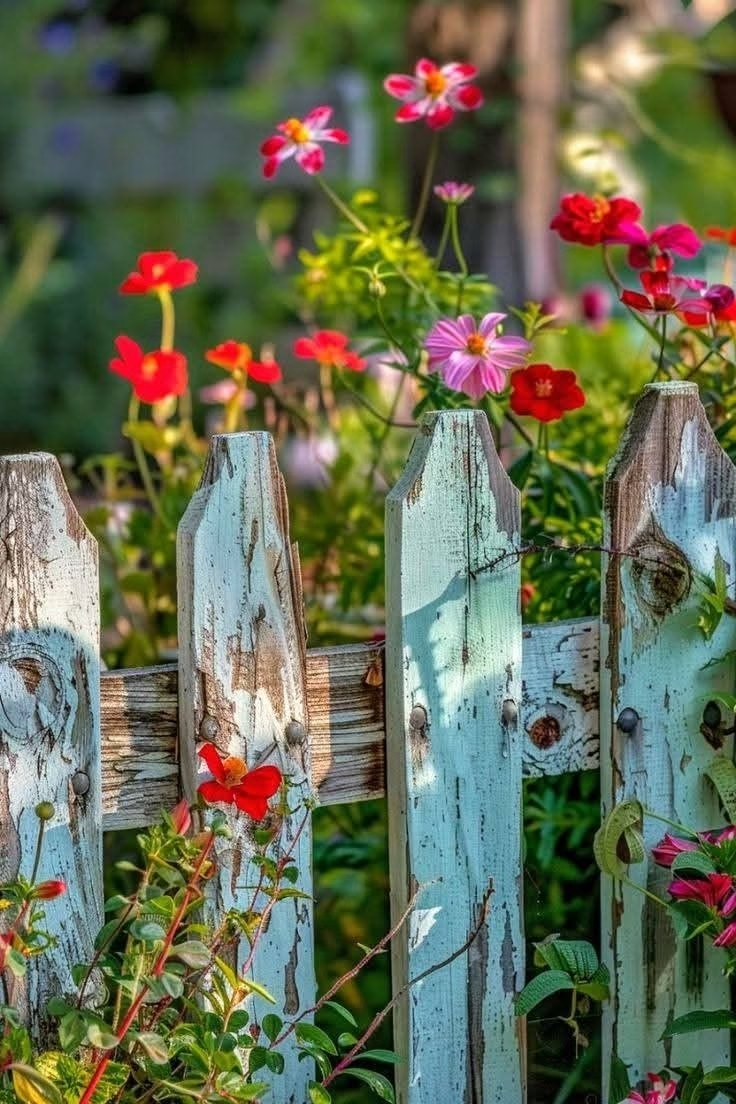
This beautifully weathered fence showcases the romantic appeal of aged wood in soft blue and white tones. The delicate cosmos and nasturtiums growing alongside create a cottage garden feel, while the peeling paint adds authentic vintage character that’s impossible to replicate.
Classic White Picket with Rose Garden
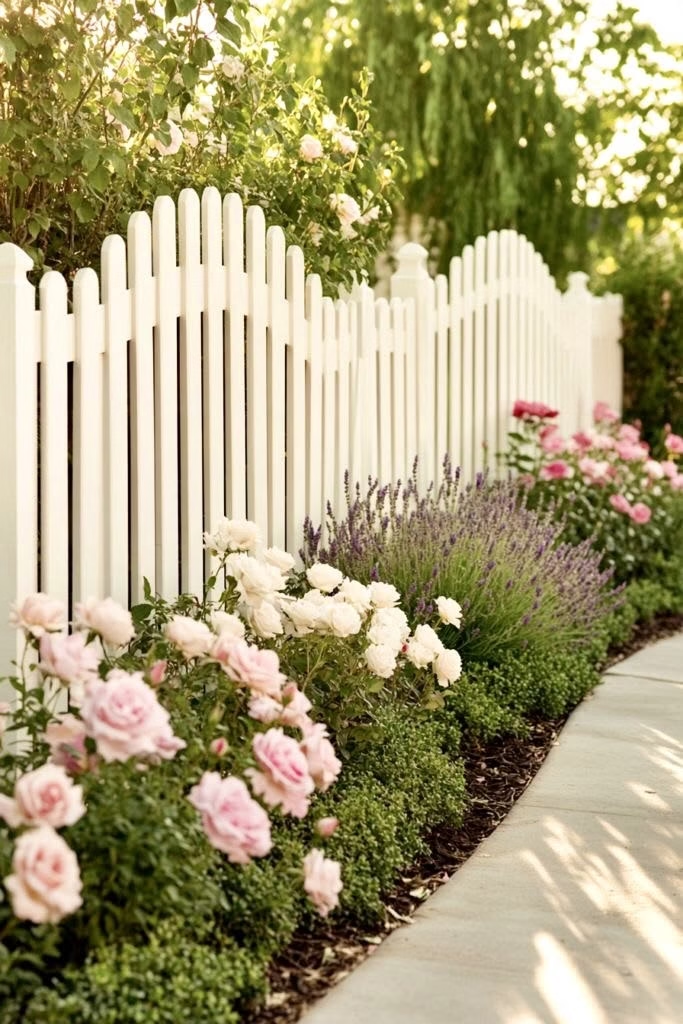
Nothing says timeless elegance like a pristine white picket fence paired with carefully manicured rose beds. The clean lines of the fence provide the perfect backdrop for pink and white roses, while the neat boxwood hedging adds structure and sophistication to this traditional garden design.
Charming Gate with Climbing Roses
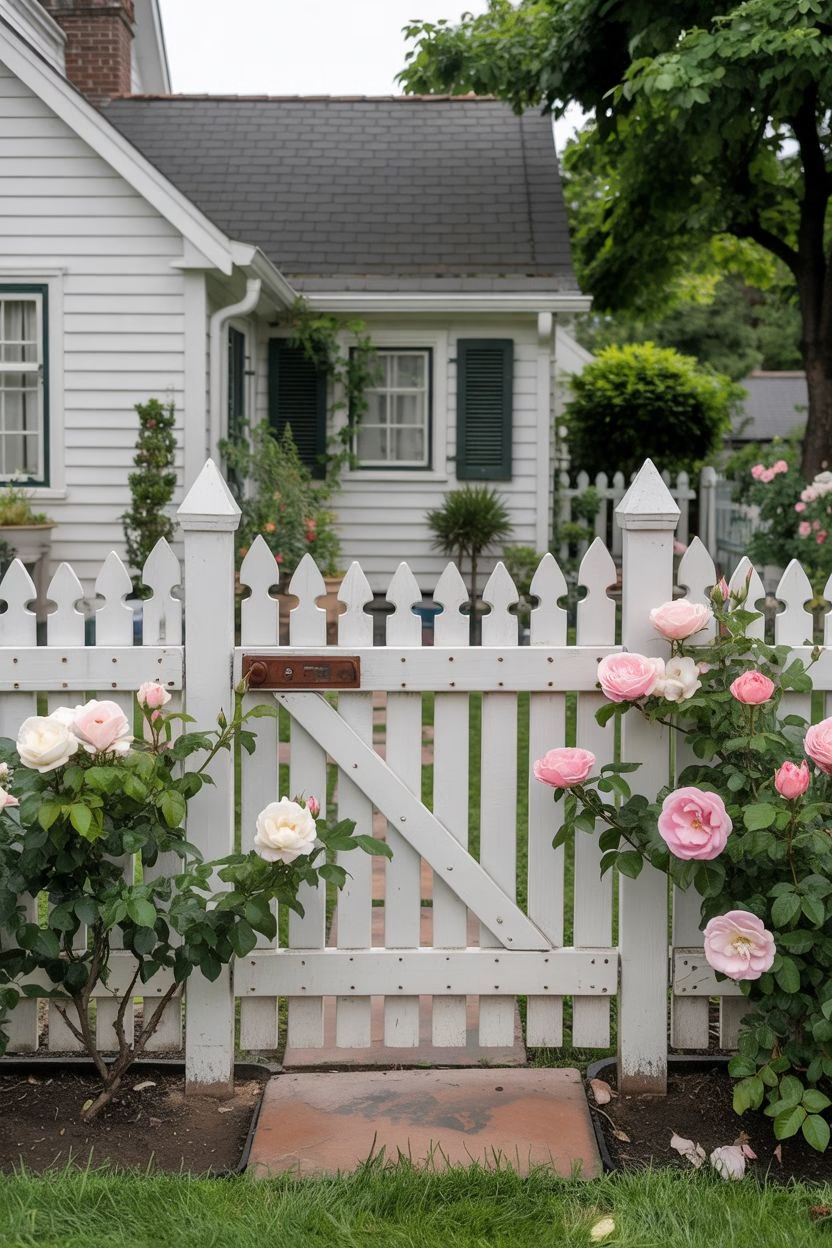
This picturesque white gate demonstrates how functional elements can become garden focal points. The climbing roses in soft pink hues create a romantic entrance, while the classic picket design maintains that beloved Americana aesthetic that never goes out of style.
Modern Black Picket Privacy Screen
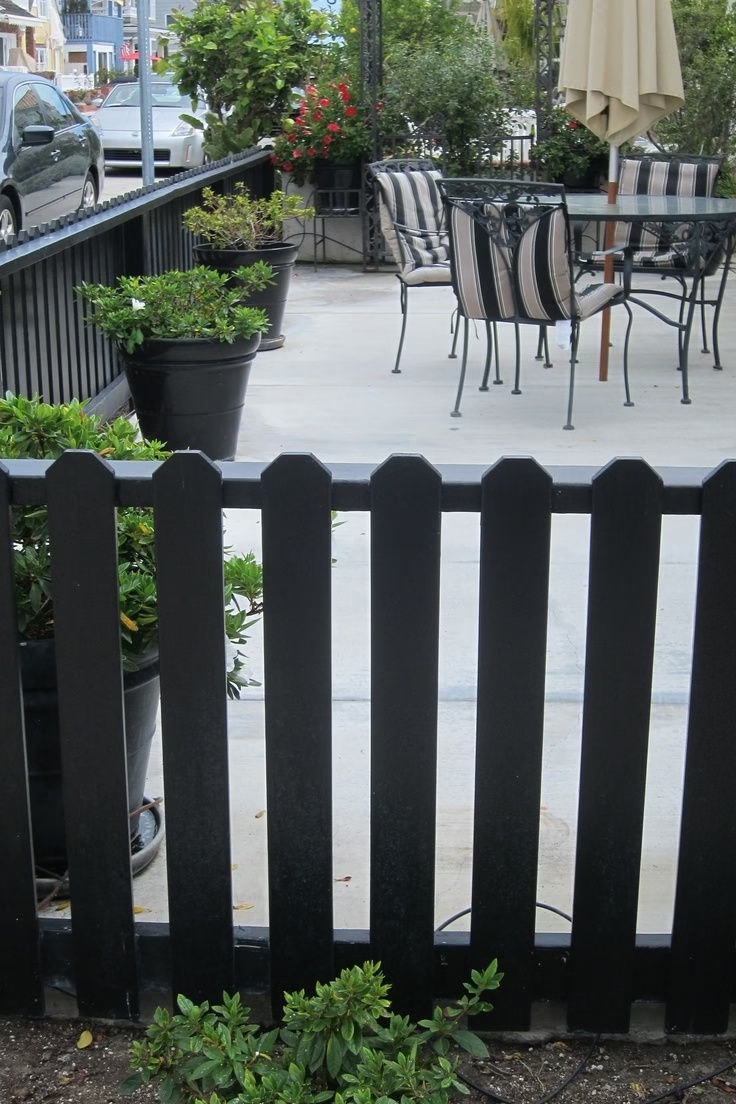
Contemporary black pickets offer a sophisticated alternative to traditional white fencing. This sleek design creates defined outdoor living spaces while maintaining visual flow, proving that picket fences can work beautifully in modern landscape designs.
Rainbow Painted Garden Border
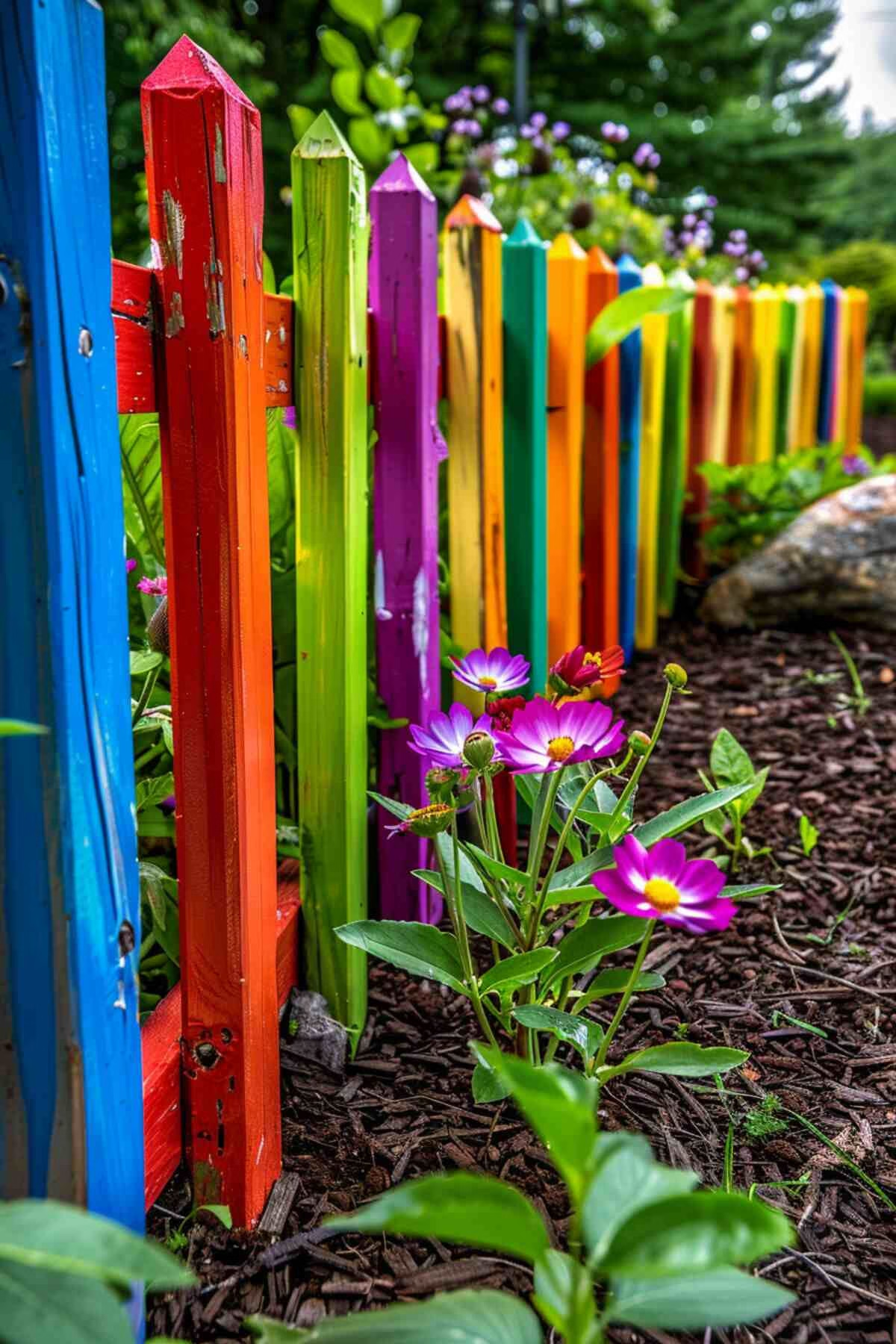
Bold and playful, this rainbow-painted fence brings pure joy to the garden space. Each colorful picket creates a vibrant backdrop for purple cosmos, transforming a simple boundary into an artistic garden feature that celebrates creativity and whimsy.
Scalloped White Front Yard Fence
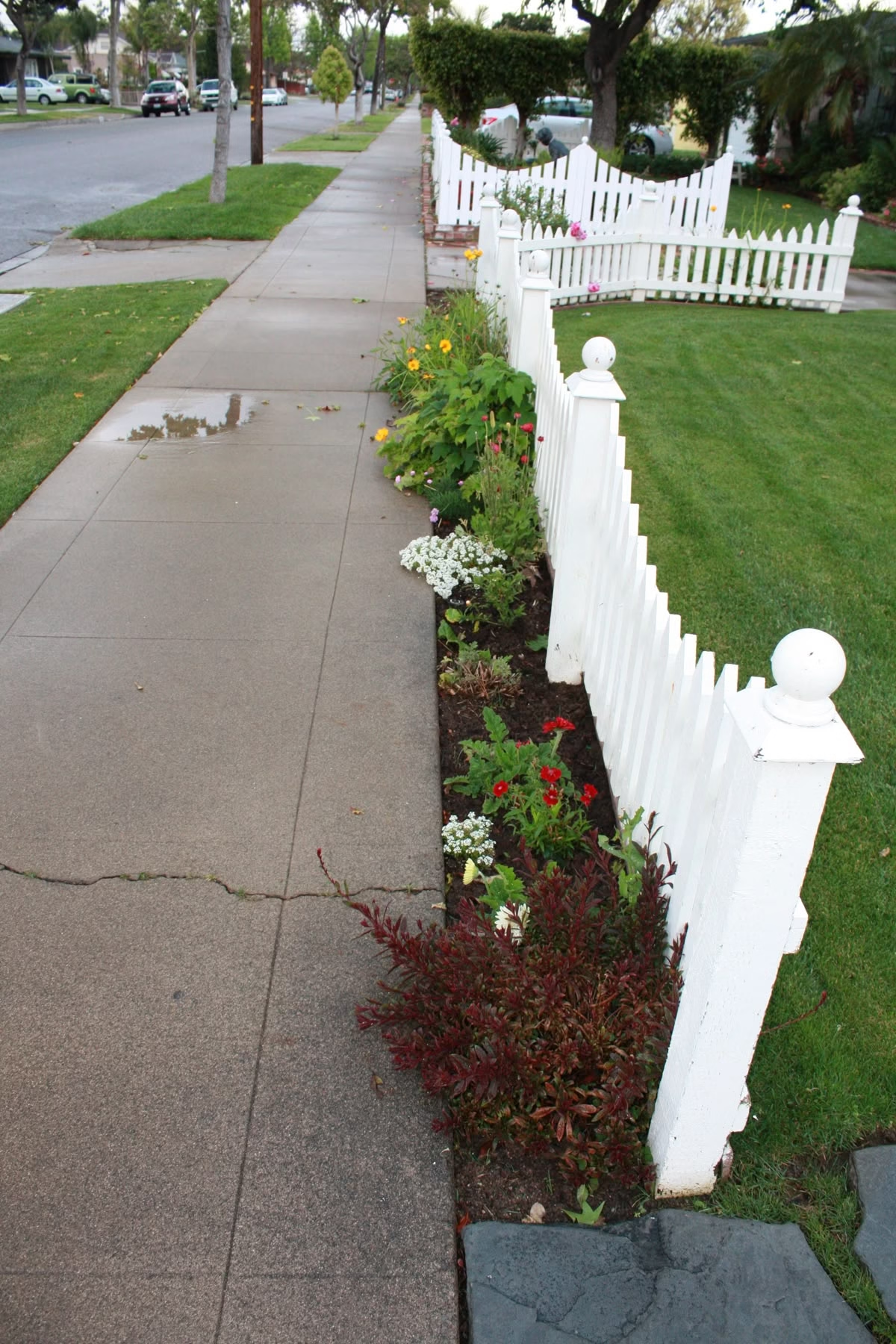
The gentle scalloped design of this white picket fence adds graceful movement to the front yard landscape. Paired with carefully planned flower beds, this fence style creates perfect curb appeal while maintaining the classic charm that makes picket fences so enduringly popular.
Traditional Natural Wood Fence
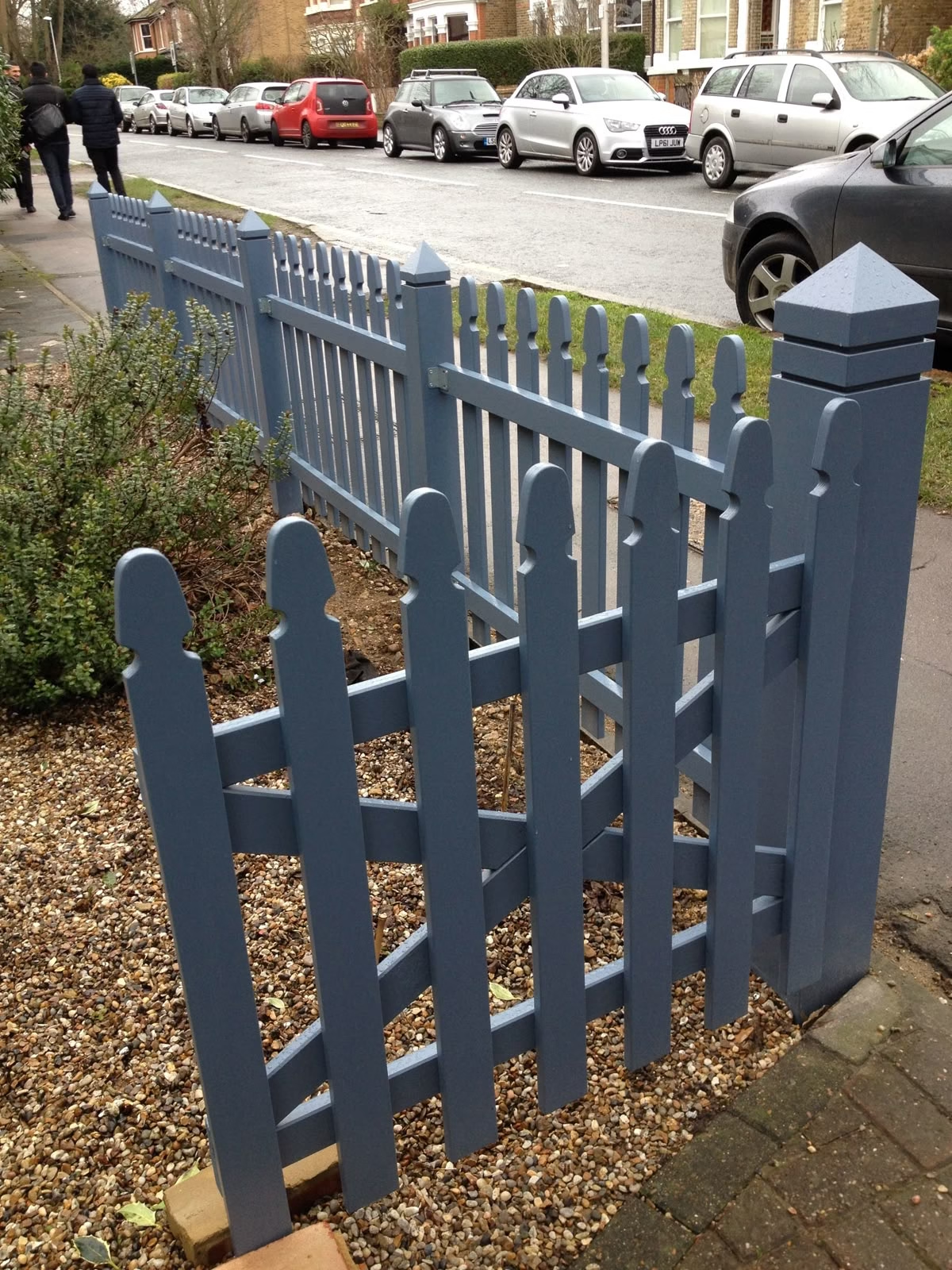
Natural cedar or pine pickets offer warmth and organic beauty that complements any garden style. This fence demonstrates how unpainted wood weathers gracefully, developing a silvered patina that looks perfectly at home in both cottage and contemporary landscapes.
Curved Picket Garden Border
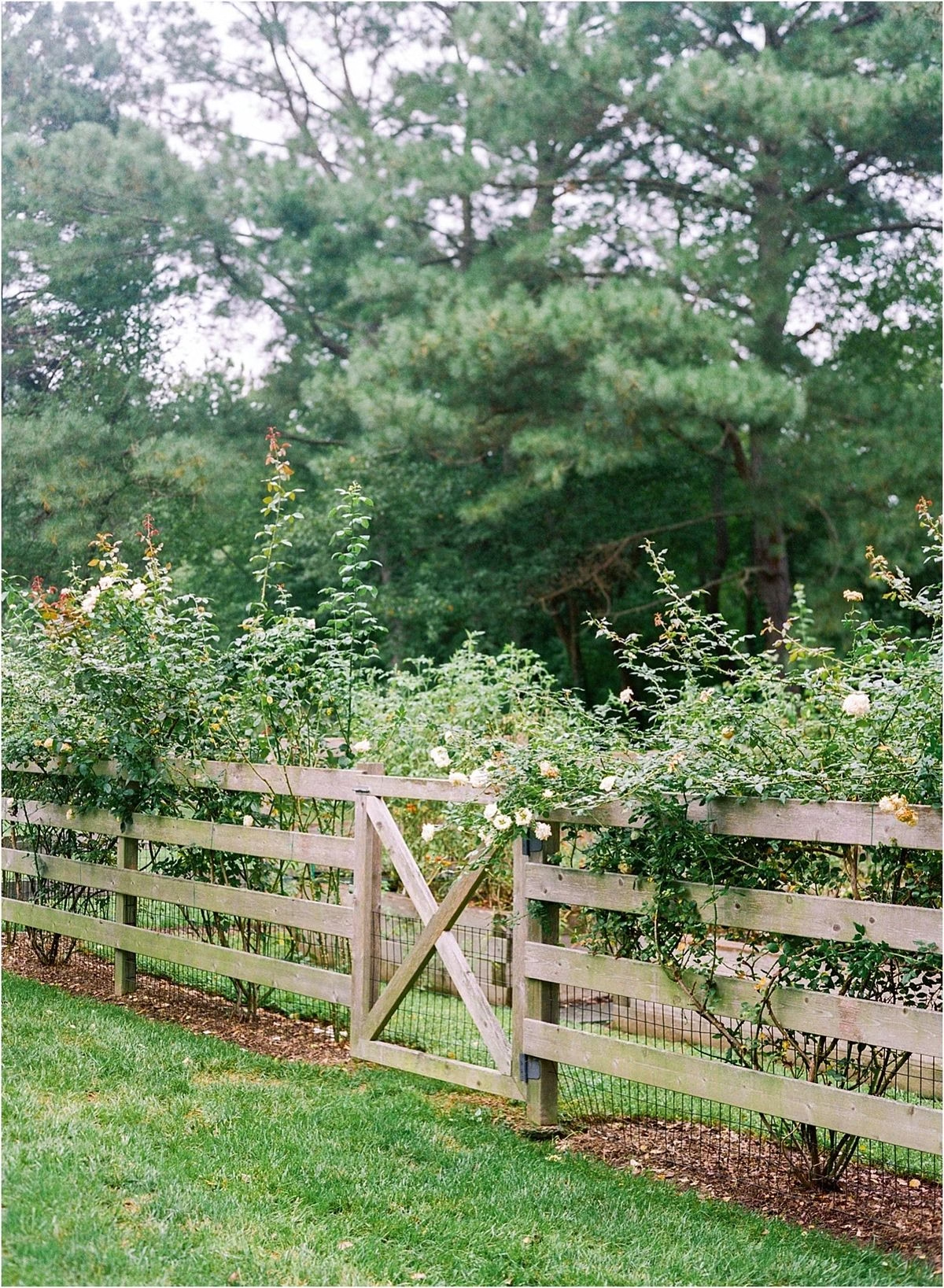
Following the natural contours of the landscape, this curved white fence creates flowing garden rooms. The gentle curves add visual interest while the mixed flower plantings soften the boundary, creating a seamless transition between cultivated and natural spaces.
White Fence with Flower Plants
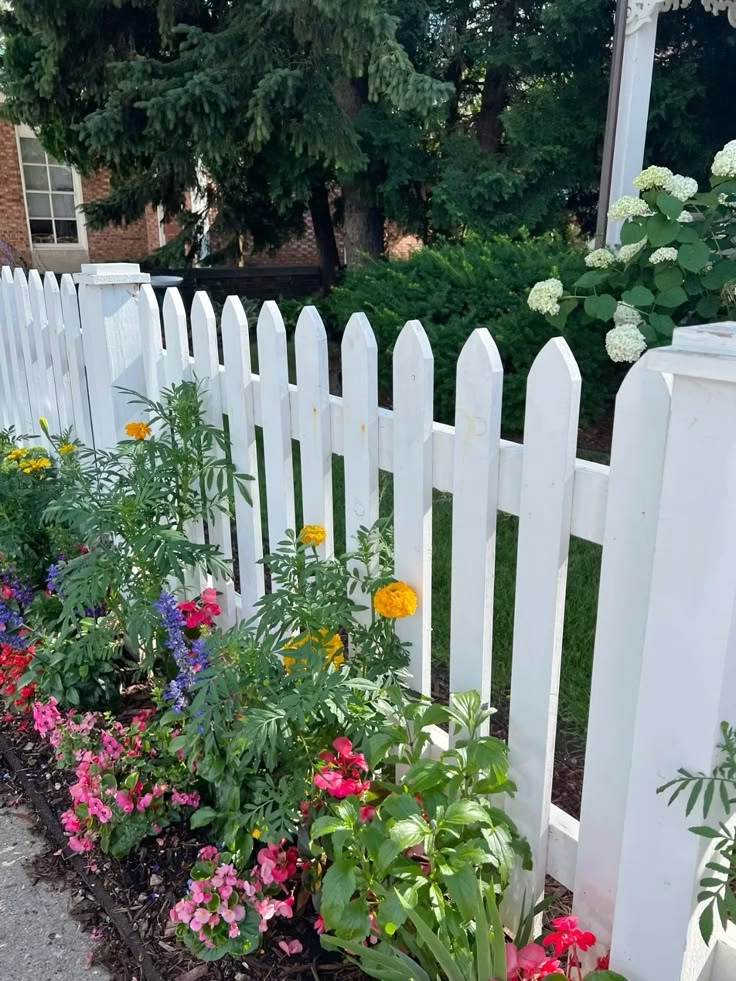
This stunning example shows how climbing roses can transform a simple white picket fence into a living wall of beauty. The soft evening light illuminates the pink blooms, creating a romantic garden scene that epitomizes cottage garden charm.
Iron Picket Fence
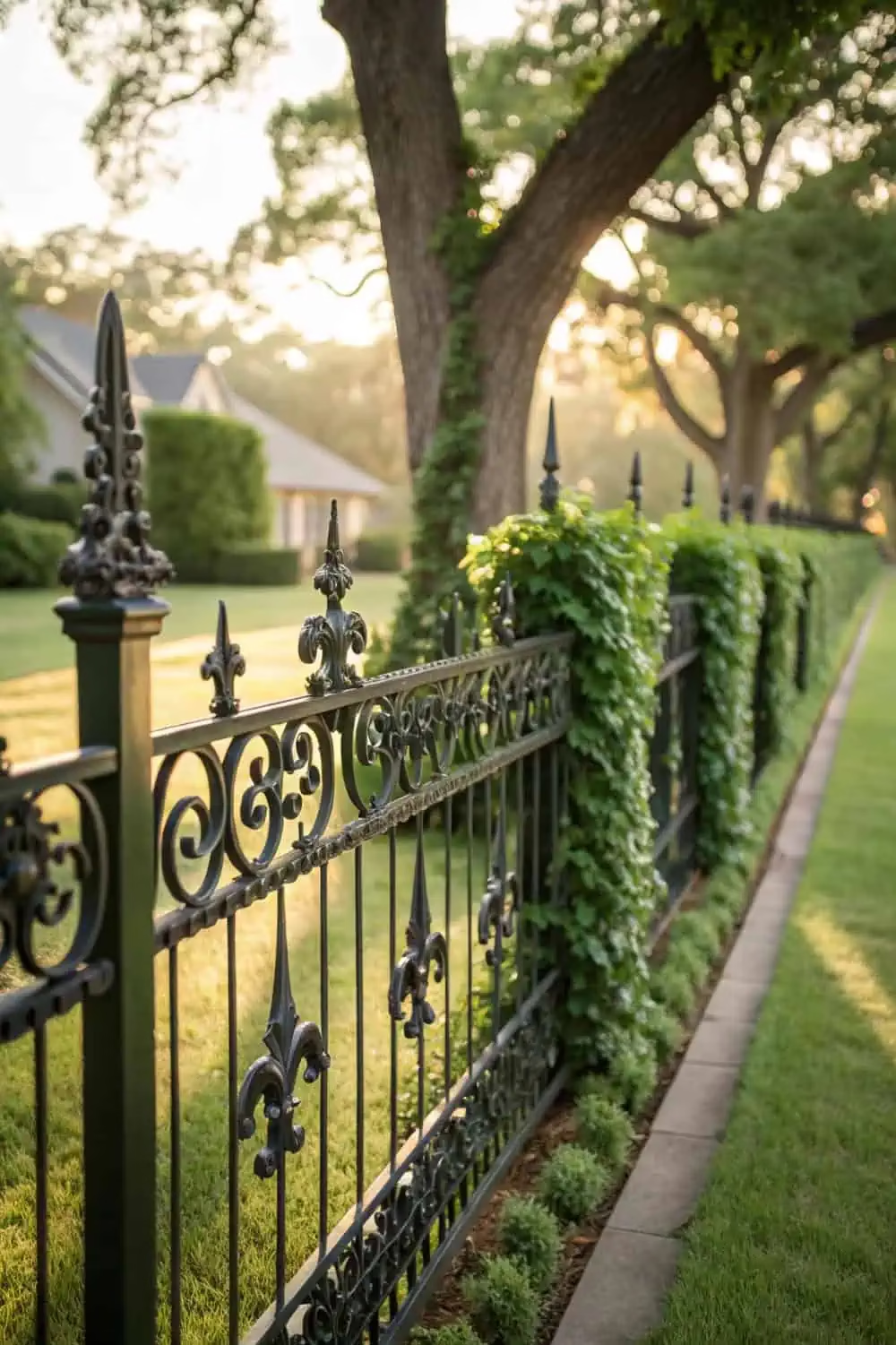
Cedar pickets in their natural finish provide the perfect neutral backdrop for mixed perennial borders. This fence demonstrates how natural wood tones complement both the soft pinks of roses and the architectural lines of traditional home design.
Coastal White Cottage Fence
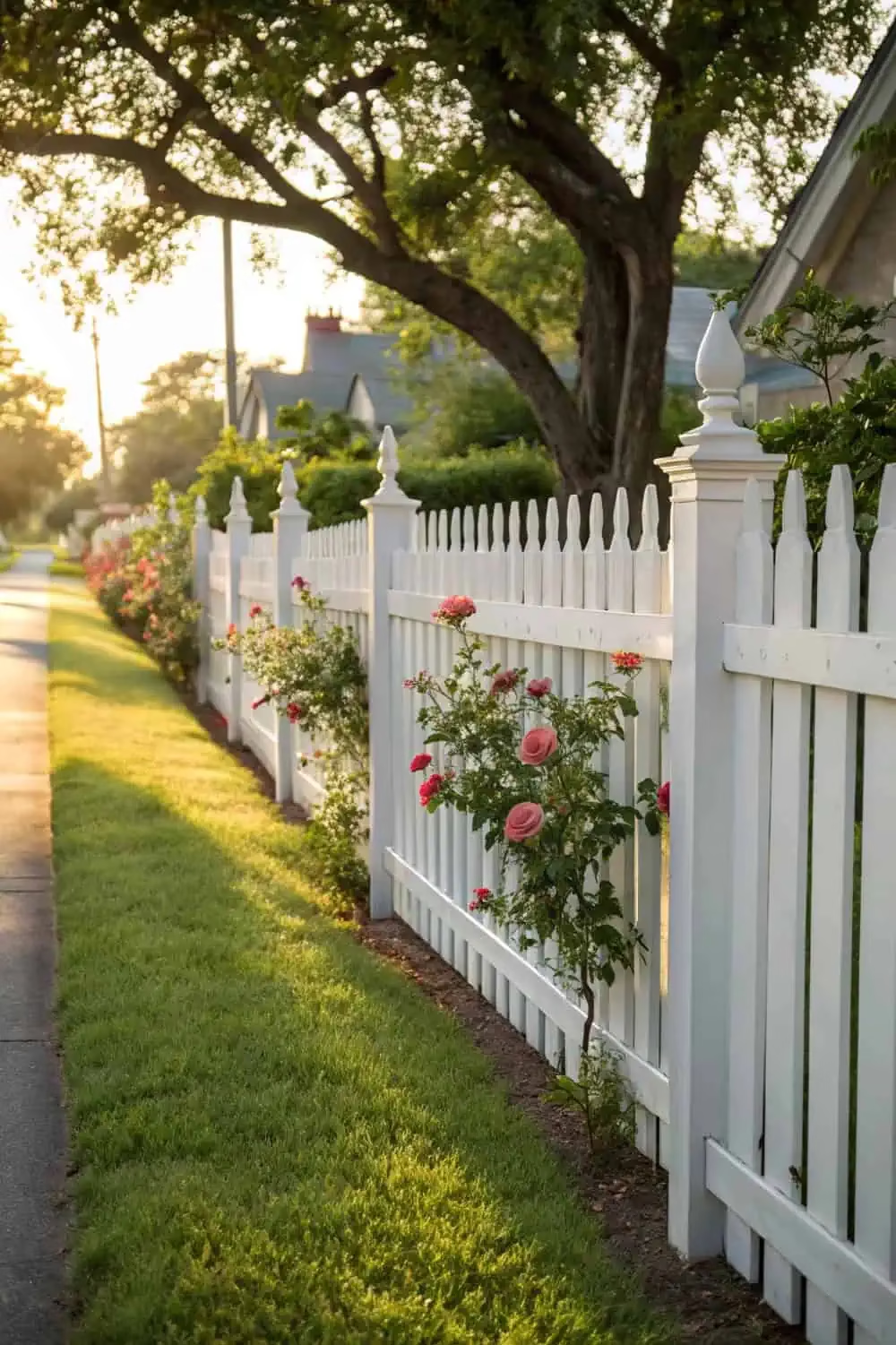
Perfect for coastal or cottage-style homes, this white picket fence captures that relaxed, seaside charm. The simple lines and classic proportions work beautifully with cottage gardens, creating boundaries that feel welcoming rather than restrictive.
Charming Corner Garden Fence
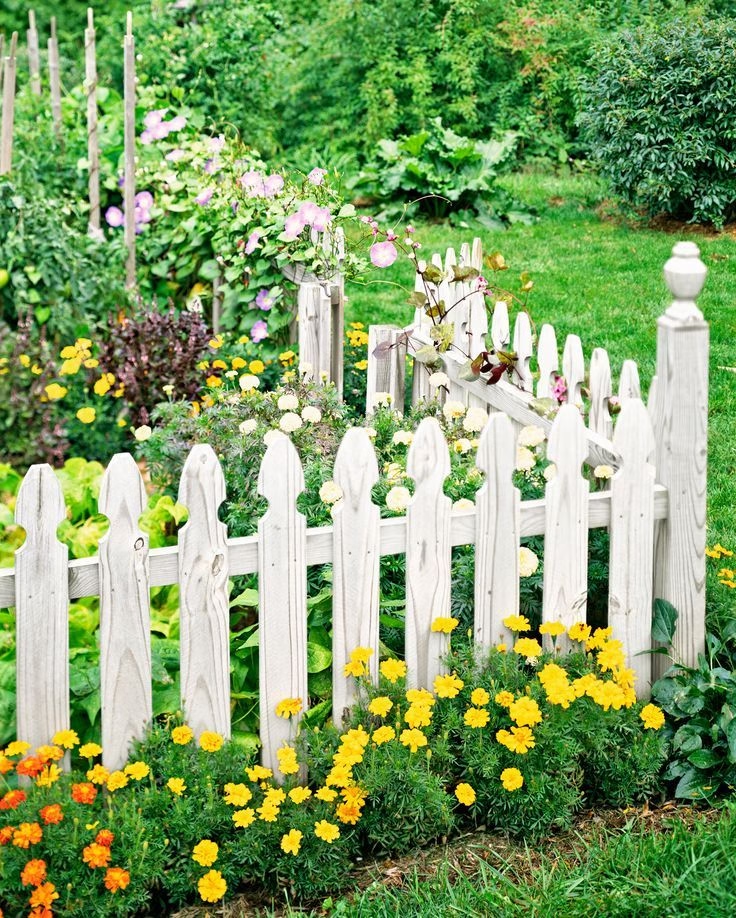
This corner installation shows how picket fencing can create intimate garden rooms within larger landscapes. The white pickets provide structure for the informal cottage garden plantings, demonstrating the perfect balance between order and natural abundance.
Painted Multi-Color Cottage Style
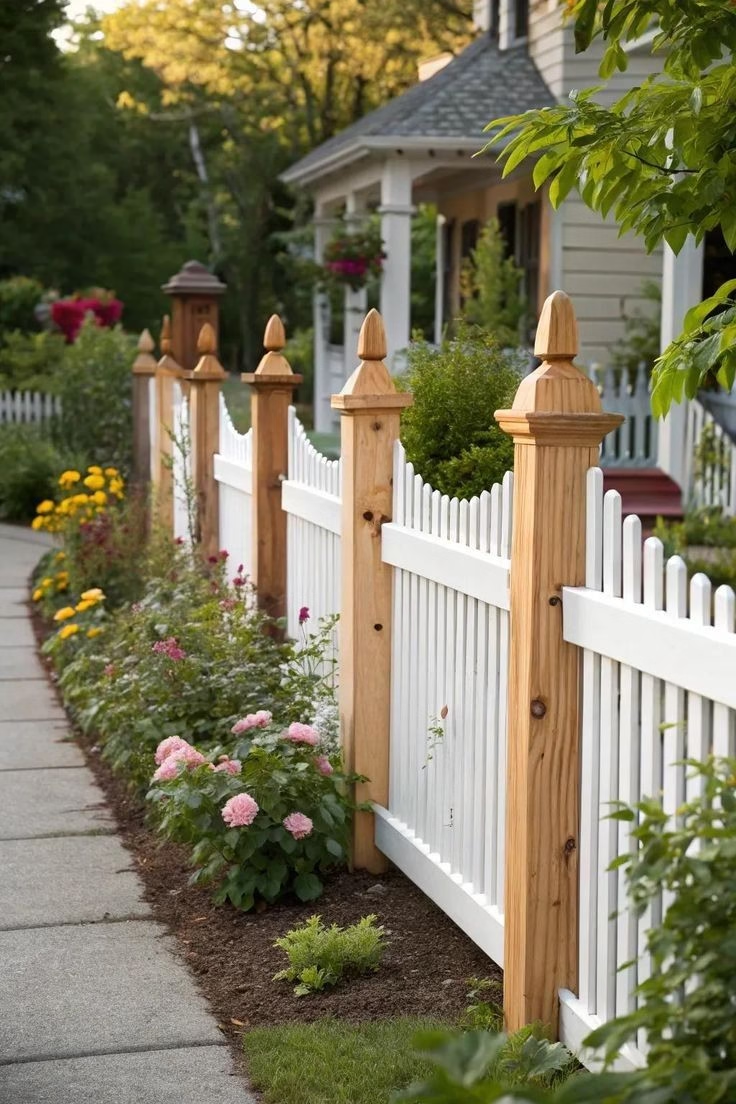
Soft blues, greens, and whites create a beachy, cottage-inspired color palette that feels both playful and sophisticated. This fence shows how subtle color variations can add personality while maintaining the classic picket fence appeal.
Traditional White with Perennial Garden
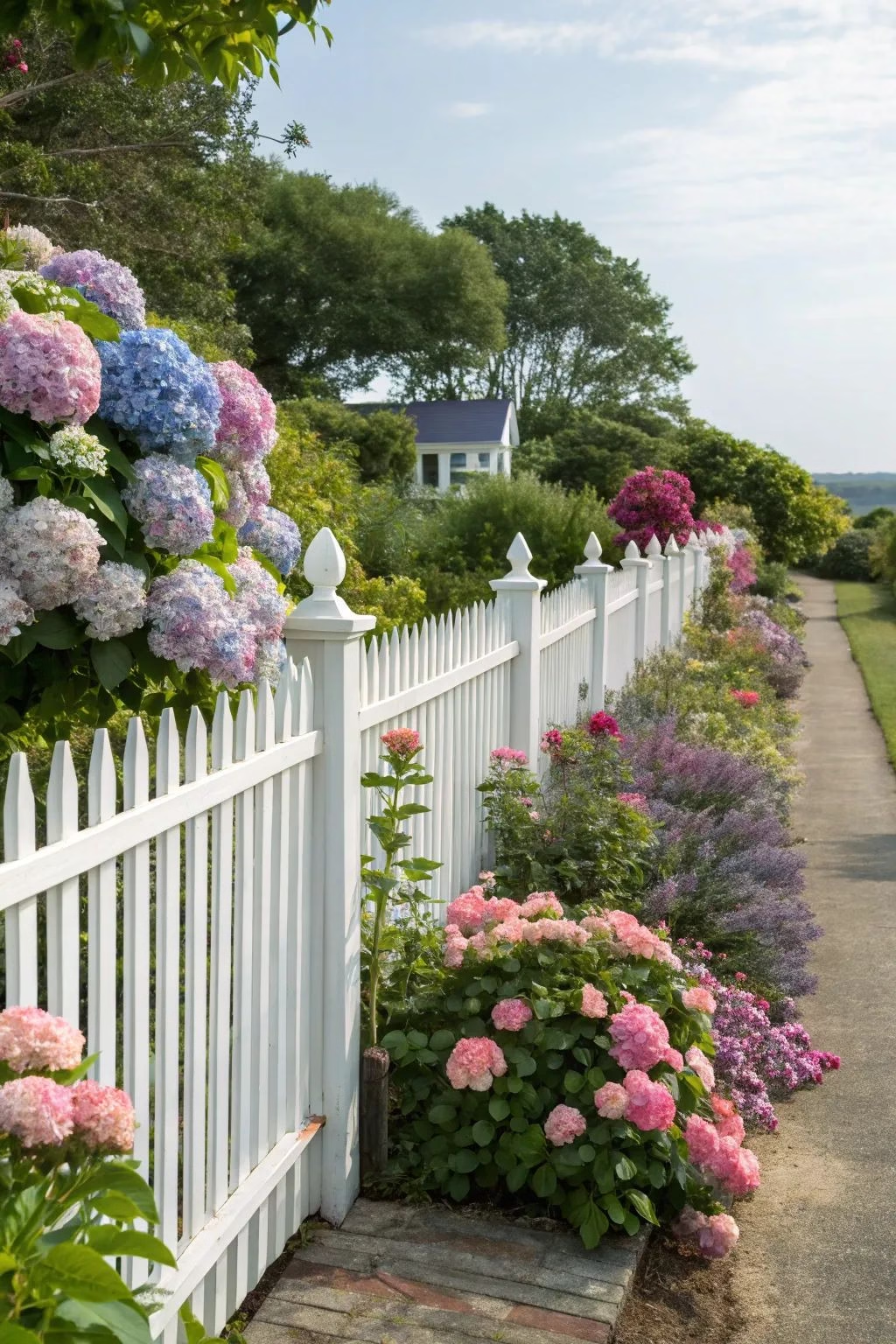
Classic white pickets provide the perfect framework for a lush perennial garden filled with purple salvia and mixed plantings. This design demonstrates how fencing can enhance garden displays while maintaining that timeless American garden aesthetic.
Horizontal Modern Wood Design
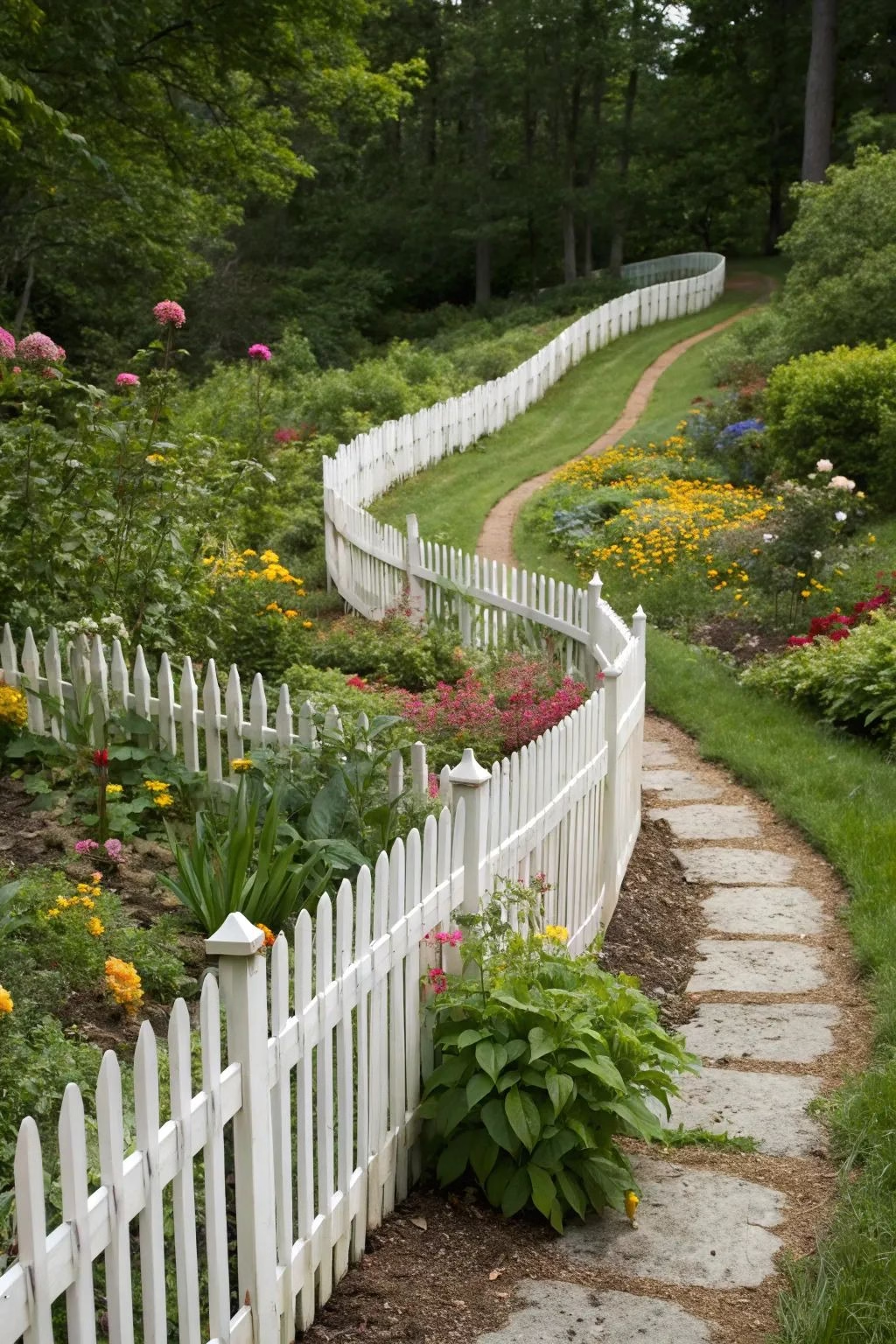
This contemporary take on fence design uses horizontal slats instead of vertical pickets, creating clean modern lines. The natural wood finish and geometric design prove that fence styles can evolve while still providing the charm and function homeowners desire.
Spring Garden with Basket Display
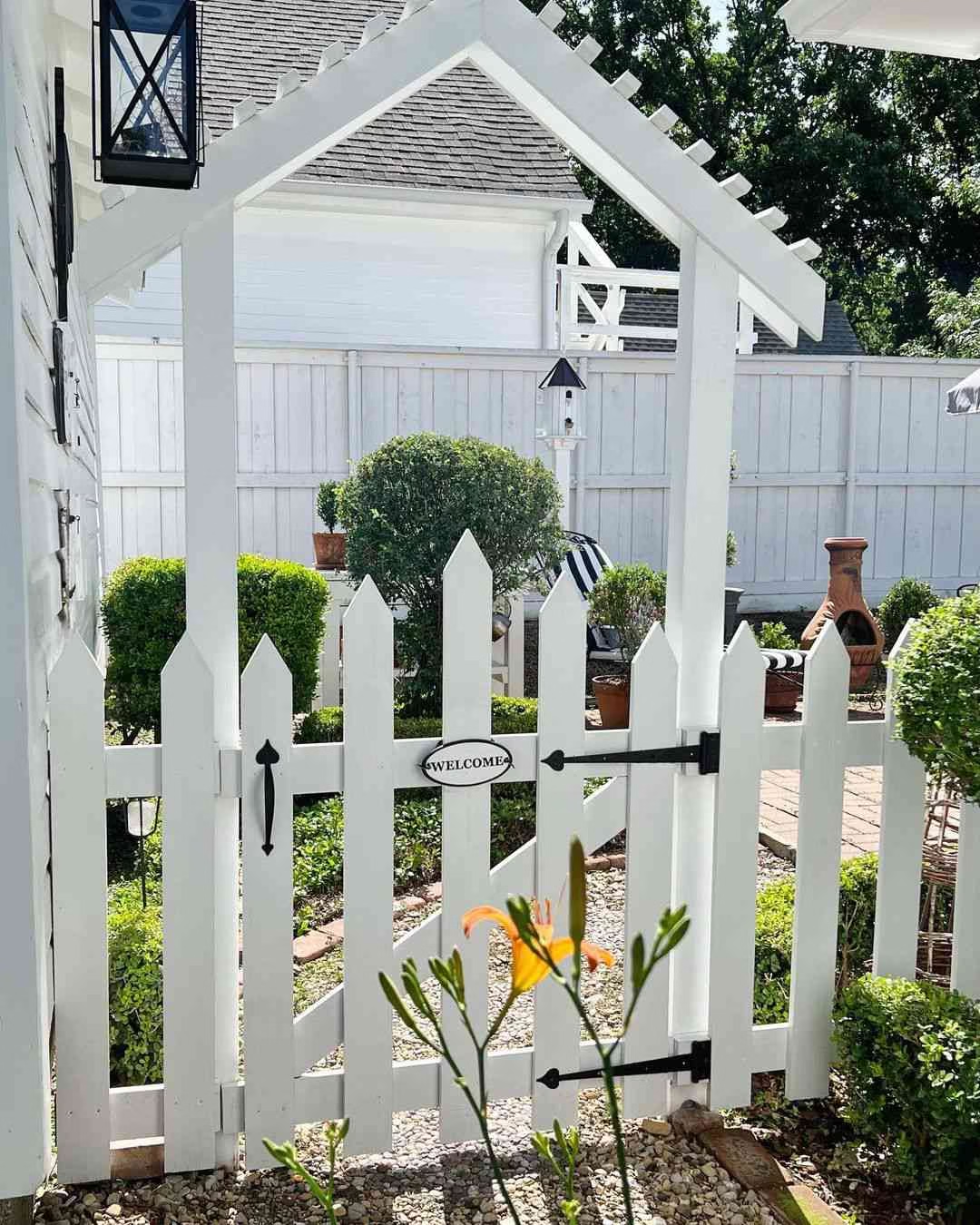
Adding seasonal decorations like this charming basket transforms a simple white picket fence into a focal point. The white daisies and spring arrangement show how small touches can enhance the inherent charm of traditional picket fencing.
Coastal Cottage White With Sky-Blue Accents
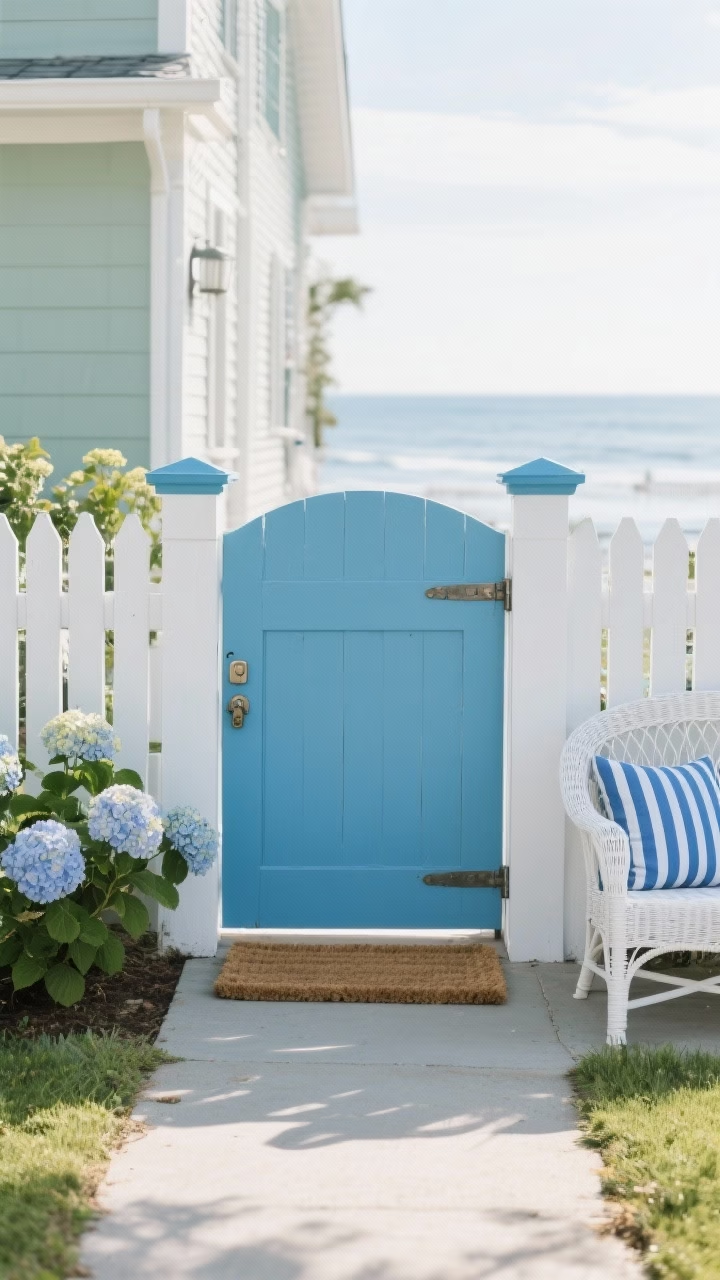
Think breezy beach mornings in your own front yard. A classic bright white picket fence gets coastal with a sky-blue gate and matching post caps.
Keep it cheerful with soft hydrangeas planted behind and a natural coir doormat inside the gate. Add a wicker bench in white and striped blue cushions to tie it all together.
- Color palette: Crisp white, sky blue, soft green
- Hardware: Brushed nickel latch and hinges
- Vibe: Nantucket charm, easy-breezy
Rustic Cedar With Live-Edge Tops
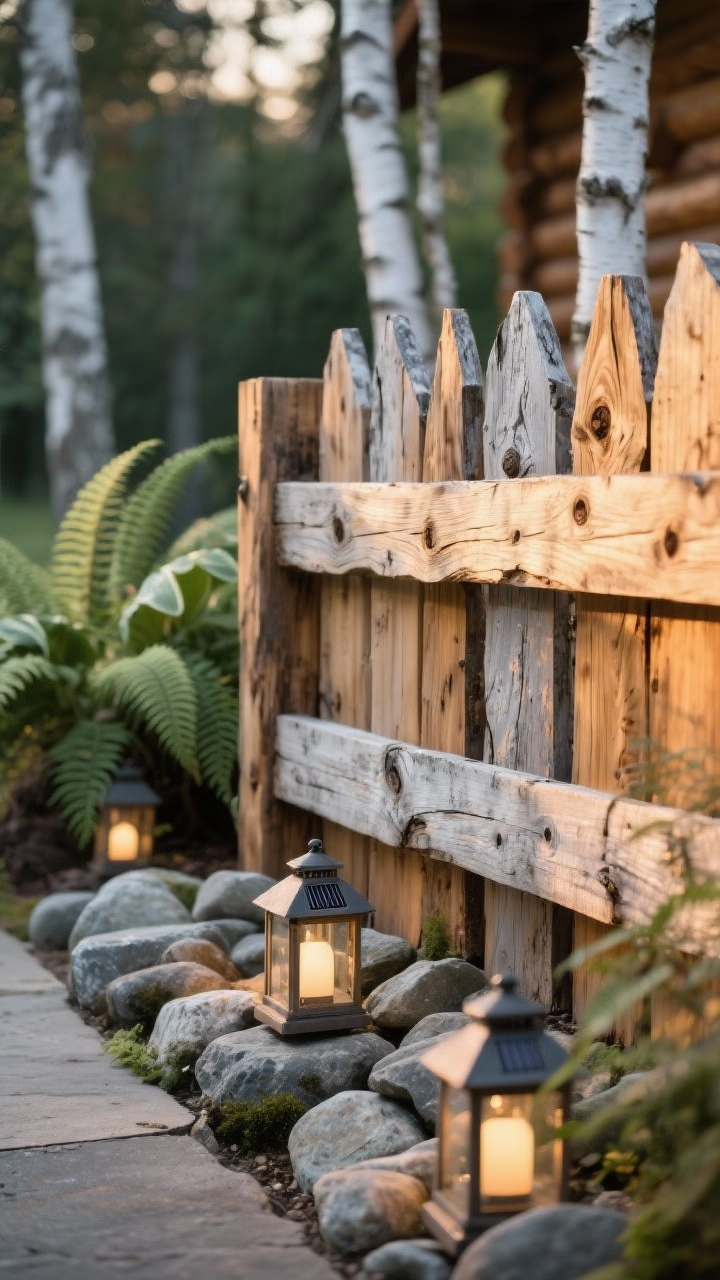
Use raw cedar pickets with a gentle live-edge cut along the top—so each board’s profile feels organic and artisanal. Let the wood weather to a silvery patina.
Anchor it with river stones at the base and lantern-style solar lights. A rugged bench and plaid outdoor cushions make it feel like a mountain retreat.
- Color palette: Warm cedar, stone gray, evergreen
- Plants: Ferns, hostas, and white birch accents
- Vibe: Cabin cozy, tactile, nature-first
Cottagecore Scalloped Pickets
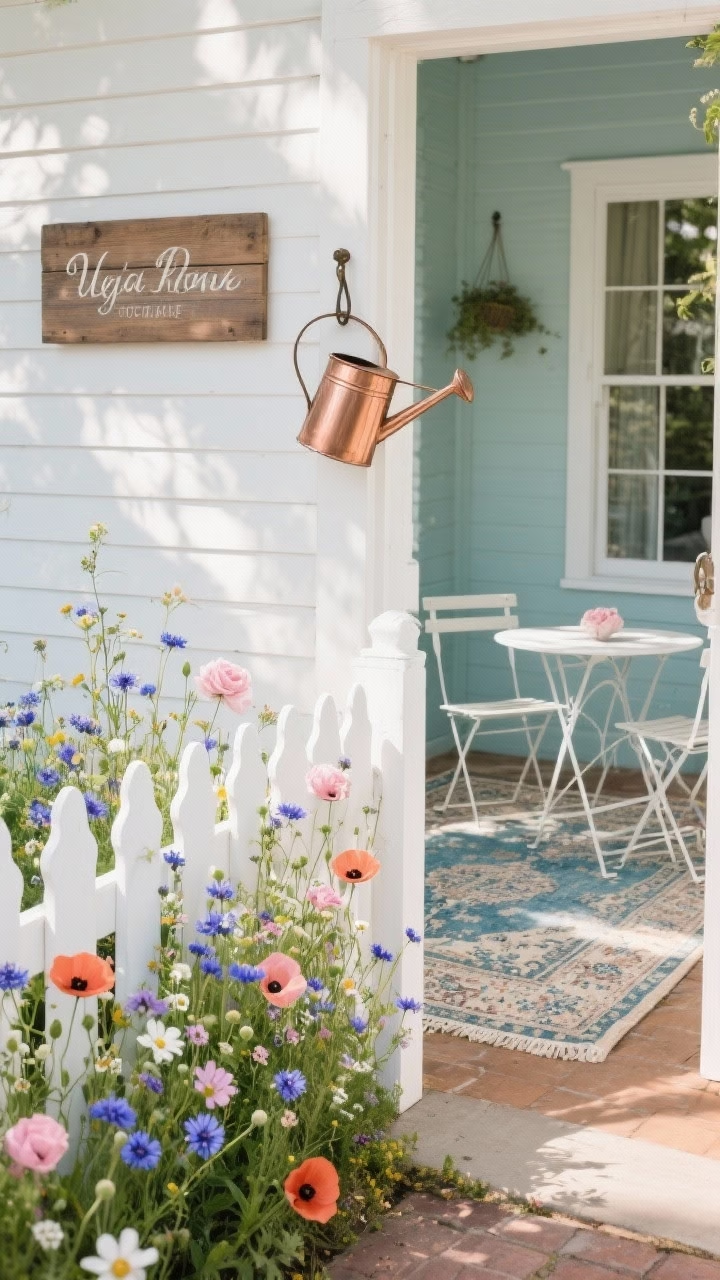
Choose scalloped pickets and keep them classic white, then let a border of wildflowers spill and sway along the inside edge. Think cosmos, poppies, and cornflowers.
Add a hand-lettered wood sign, a copper watering can hung on a hook, and a faded Persian-style outdoor rug under a small bistro set.
- Color palette: White, rose, cornflower blue, sage
- Details: Antiqued brass house numbers on the gate
- Vibe: Storybook sweet, lived-in and lovely
Desert Neutral Pickets With Cactus Garden
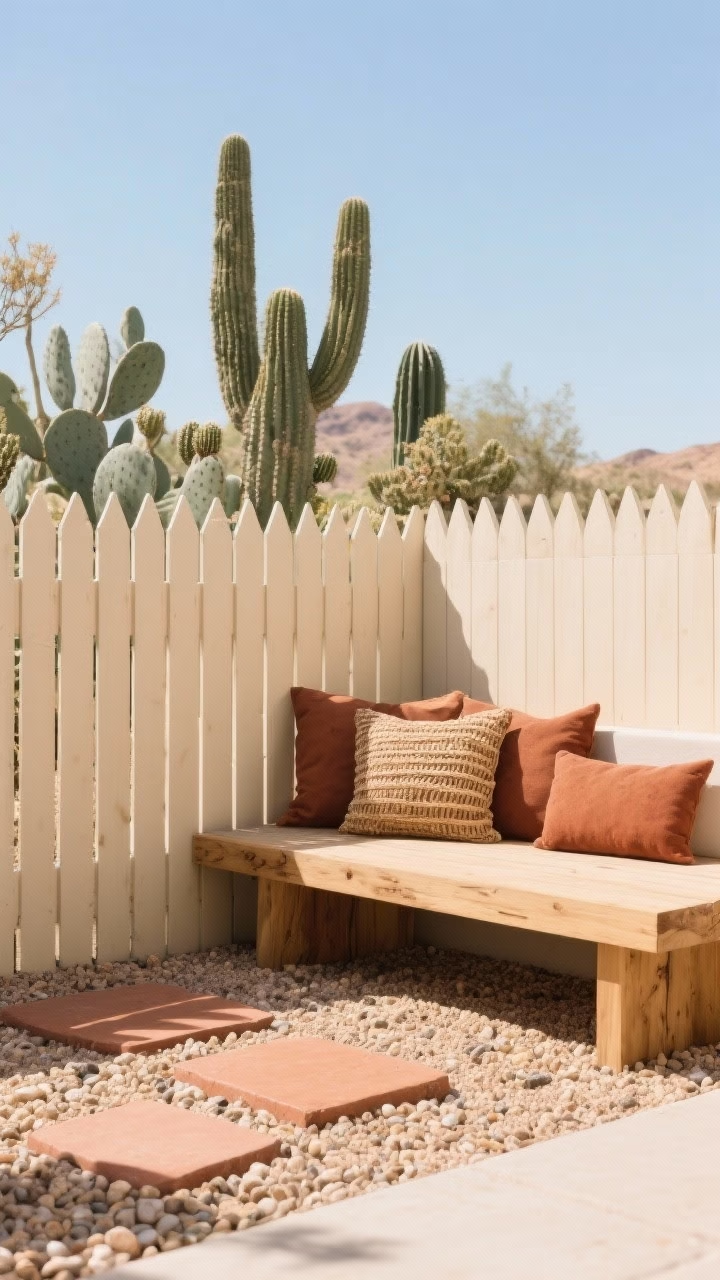
Keep the fence in a soft sand-beige and widen the picket spacing to showcase a sculptural cactus garden behind it. Use flat-top pickets for a clean silhouette.
Ground the scene with warm pea gravel and terracotta stepping stones. Add a natural wood bench and woven outdoor pillows in clay and rust.
- Color palette: Sand, terracotta, rust, sage
- Materials: Low-water, drought-friendly plants
- Vibe: Sun-baked minimalism with warmth
Final Words
Picket fences remain one of the most versatile and charming additions to any home’s landscape design.
Whether you choose classic white, natural wood, or bold painted colors, these timeless boundaries create the perfect foundation for beautiful gardens.
While adding that coveted curb appeal that makes every house feel like home.
Where are the pictures of all the fences you describe? This is a terrible waste of time
The list now updated. please check