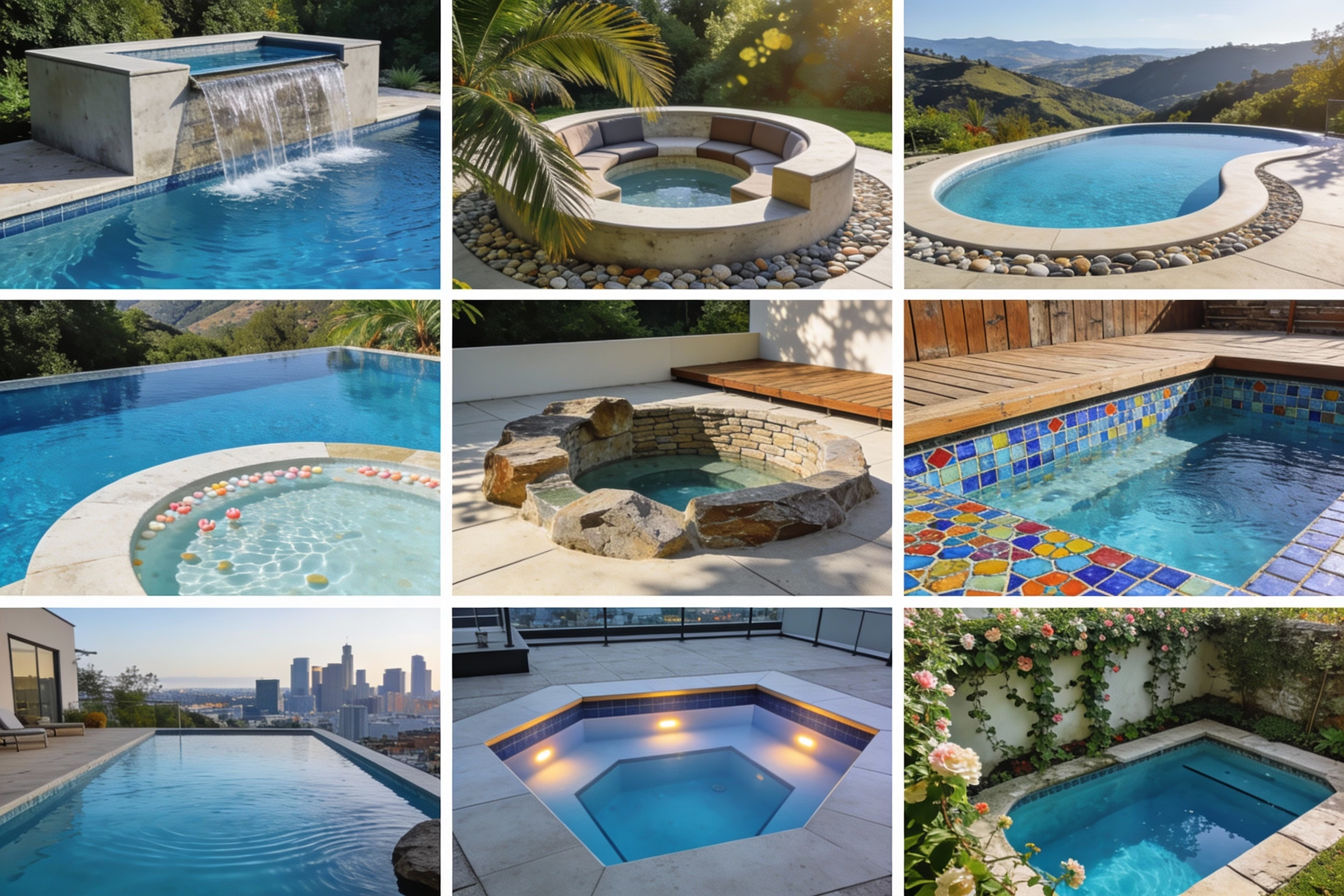
You don’t need a sprawling backyard lagoon to make a splash. A plunge pool delivers the vibe—cool, compact, and totally customizable.
Whether you want a quick post-workout dunk or a chic focal point for your patio, you’ve got options.
Let’s run through 15 plunge pool ideas that turn small spaces into big-time escapes.
Small Footprint, Big Statement
You can pack a lot of personality into a tiny footprint. Go bold with shape, finishes, or even location. Your plunge pool doesn’t have to apologize for being small—it should flex.
1) Petite Rectangle With Infinity Edge
A slim rectangle with one infinity side looks wildly luxe. It works on decks or tight courtyards and doubles as a reflecting pool. Add LED strip lighting under the lip for evening drama.
2) Round Oasis Tucked in Greenery
Round pools soften hard lines and slip into small yards beautifully. Surround with ferns, grasses, and a couple of boulders for an organic, “found in nature” look. Keep the coping slim to save space.
3) Corner L-Shaped Plunge
Got an awkward corner? Own it. An L-shape nestles into architecture and makes room for a bench or steps without hogging the whole patio.
Finish Strong: Tile, Plaster, and Beyond
The interior finish sets the mood. Bright blue says vacation; deep charcoal says modern spa. You do you.
4) Dark, Moody Plaster
A charcoal or black interior looks sleek, warms up faster, and reflects the sky like a mirror. Add a single underwater light for that moody, boutique-hotel vibe. FYI: darker finishes can show calcium deposits, so manage water chemistry.
5) Mosaic Tile Moment
Use mosaic glass tile for shimmer and color play. Go full interior or create a tiled “rug” on the floor for flair. Choose non-slip tiles for steps and benches—pretty is great, safe is better.
6) Natural Stone Sanctuary
Think limestone coping, pebble interior, and stacked-stone walls. It blends into landscapes and pairs well with native plantings. Seal the stone to cut down on maintenance (because scrubbing isn’t a hobby).
Built-Ins That Make It Luxe
Add features that turn quick dips into full-on rituals. You’ll never regret built-in comfort.
7) Full-Length Bench + Hydro Jets
A bench along one side gives you a spot to lounge and chat. Install a few hydro jets and you’ve got a micro-spa. Keep return lines low to avoid splashing.
8) Sun Shelf for Loungers
A shallow ledge (8–12 inches deep) fits two chaise loungers or a couple of kids. Umbrella sleeve? Yes, please. It doubles as an easy entry point.
9) Fire Meets Water
Place a linear fire feature behind your plunge for contrast and warmth at night. The reflection alone earns it a spot on this list. Bonus: marshmallows.
Materials That Save Time (and Cash)
Custom concrete rules, but prefab options help you move fast without selling a kidney.
10) Shipping Container Plunge
Container pools come pre-lined, pre-plumbed, and crane-ready. You can drop one on piers or a slab and swim in days, not months. Dress the exterior with wood slats or stucco for a polished look.
11) Fiberglass Shell
Fiberglass plunges install quickly and feel smooth underfoot. They handle saltwater systems well and require less upkeep. The catch? Limited shapes and sizes—but the right one looks great.
12) Stock Tank Glow-Up
On a budget? A galvanized stock tank becomes a charming plunge with a pump, filter, and a proper pad. Paint the exterior, build a simple deck surround, and boom—summer solved. IMO this is the fastest path to instant backyard fun.
Placement Tricks That Change Everything
You can put a plunge pool in spots that a regular pool can only dream about. Maximize views and minimize disruption.
13) Courtyard Jewel
Slip a plunge into a central courtyard and watch the whole house feel cooler. Add tall planters or a green wall for privacy. Even a 7×10 foot footprint works for quick dips.
14) Deck-Integrated Plywood Form
For sloped lots, embed a small concrete plunge into a tiered deck. Cantilever a bench or step over the water for layered space. Use cable railings to keep sightlines open.
15) Rooftop Retreat
If your structure can handle it, a rooftop plunge wins the prize. Use lighter materials (fiberglass, container, or reinforced acrylic windows if you want that “wow”). Hire a structural engineer, always. No exceptions.
Make It Low-Maintenance (So You Actually Use It)
You want to swim, not babysit equipment. Smart choices now = lazy weekends later.
- Saltwater system: Softer feel, fewer chemical jugs. Still test weekly.
- Oversized filtration: A bigger cartridge filter keeps water crystal clear.
- Automatic cover: Holds heat, blocks debris, and adds safety.
- Robotic cleaner: Press button, walk away. It’s magic.
- LED lighting: Low energy, high ambiance. Choose warm white for a spa mood.
Heating and Cooling Basics
- Heat pump: Efficient for most climates; set it and forget it.
- Gas heater: Fast heat-up for spontaneous soaks; higher operating cost.
- Chiller: In hot climates, a chiller turns your plunge into a real plunge.
- Combo units: One box to heat and cool—great for shoulder seasons.
Style Combos That Just Work
Want a vibe? Pair the right materials and plantings and you’re basically done.
Modern Minimal
- Thin rectangle, dark interior, flush coping
- Ipe or composite decking, black steel planters
- One sculptural tree (olive, Japanese maple) for focus
Mediterranean Cozy
- Round or oval shape, soft white plaster
- Terracotta pots, lavender, rosemary, climbing jasmine
- Light limestone coping and a tiled waterline
Tropical-Courtyard
- Freeform or tight rectangle with pebble interior
- Banana leaf, philodendron, and bamboo screening
- Water bowl feature for sound without splash
Budget, Sizing, and Timeline: The Real Talk
Let’s keep expectations realistic and headaches minimal.
- Size sweet spot: 6×10 to 8×12 feet, 4–5 feet deep. Big enough to cool off, small enough to heat easily.
- Cost ranges: Stock tank: $1–4k DIY. Fiberglass: $20–40k installed. Concrete: $35–80k depending on finishes and site work. Container: $25–50k.
- Timeline: Prefab: weeks. Concrete: 8–14 weeks, longer with permits and weather delays.
- Permits + setbacks: Always check local codes and HOA rules before you break ground. Your future self will thank you.
FAQ
How deep should a plunge pool be?
Most people land between 4 and 5 feet. That depth lets you stand comfortably while still getting a full-body dunk. If you want cold plunging only, 3–4 feet works, but you’ll lose the lounge factor.
Can I heat a plunge pool and still call it a plunge?
Totally. Many folks run a heater most of the year and flip to cold on hot days. With a smaller volume, you change temps fast—just add a cover to hold the heat (or cold).
Do plunge pools need a lot of maintenance?
Less water = less maintenance, but not zero. Plan on weekly testing, skimming, and filter cleaning. Add a robotic cleaner and an auto-fill to make life easier, IMO.
What’s the best filtration for a small pool?
A cartridge filter hits the sweet spot: compact, quiet, and easy to rinse. Oversize it one step for cleaner water and longer intervals between cleanings. Pair with a variable-speed pump to save energy.
Is a saltwater system worth it?
If you want softer-feeling water and fewer harsh smells, yes. It still uses chlorine (generated from salt), but it does so more consistently. Keep an eye on metal fixtures and use sacrificial anodes to prevent corrosion.
Can I DIY a plunge pool?
A stock tank or above-ground prefab offers the most approachable DIY route. For in-ground concrete or structural rooftop installs, hire pros. Safety, grounding, and waterproofing matter more than bragging rights.
Conclusion
A plunge pool proves you don’t need acres or a lottery win to build a killer backyard escape. Focus on a compact shape, smart finishes, and a couple of luxe features that you’ll actually use. Keep the maintenance simple, add some mood lighting, and invite your favorite people over. Quick dip, long chat, zero regrets.