11 Beautiful DIY Trellis Ideas For You!
Climbing plants look magical… until they start swallowing your mailbox and strangling your gutters. The fix? A simple trellis that gives vines a respectable place to show off. You don’t need fancy tools or a contractor—just a few materials and some creativity. Let’s build structures that make your garden vertical, charming, and very “you.”
Why Trellises Matter (And Why You’ll Love Building One)
You get more garden in less space—vertical gardening for the win. Plants get better airflow, which means fewer diseases and happier leaves. Plus, trellises instantly add style without the price tag of a pergola. FYI: even a basic trellis can boost curb appeal, especially when it frames a door, an archway, or your veggie patch.
Simple Trellis Ideas You Can Build in an Afternoon
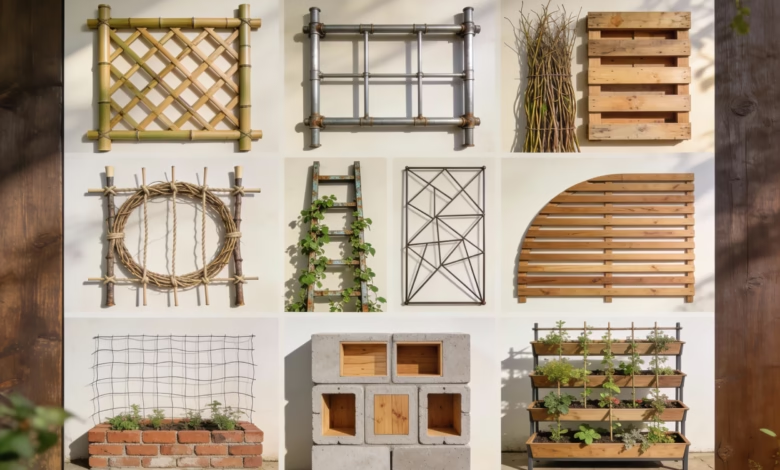
1) Classic Wood Lattice Panel
A pre-made lattice panel? Easiest win ever. Mount it to a fence or on posts, paint or stain it, and you’ve got a minimalist grid for roses, jasmine, or peas.Pro tip: Create a gap between the panel and wall using 1×2 spacers so vines can wrap easily.
- Materials: lattice panel, 1×2 spacers, exterior screws, paint/stain
- Best for: lightweight climbers like sweet pea and clematis
- Skill level: beginner
2) String-and-Eyelet Wall Trellis
No bulky wood? No problem. Use eyelets screwed into a wall or fence and crisscross strong twine, nylon cord, or wire to form a diamond pattern.Bonus: You can scale this up across an entire wall for a living tapestry.
- Materials: eye screws, masonry/wood anchors, twine or wire, drill
- Best for: ivy, star jasmine, climbing hydrangea
- Skill level: beginner
3) Teepee (A-Frame) Trellis
Think camp vibes but for beans. Tie three to five bamboo poles at the top, spread the legs, and let beans run wild. It’s super sturdy and oddly adorable.FYI: Kids love harvesting under these.
- Materials: bamboo poles or saplings, garden twine
- Best for: pole beans, cucumbers, vining squash
- Skill level: beginner
4) Cattle Panel Archway
Want drama without drama? Bend a cattle panel between two raised beds to create an arched tunnel. It looks custom but installs in minutes. IMO, this is the most bang-for-buck trellis on the list.
- Materials: cattle panel (16 ft), T-posts or sturdy beds, zip ties
- Best for: gourds, cucumbers, roses
- Skill level: intermediate (it’s big, not hard)
5) Obelisk Trellis
The garden version of a fancy hat. Build a tapered tower from cedar 1x2s and add cross rails for vines to climb. Paint it a bold color and watch your neighbors copy you.
- Materials: 1×2 lumber, exterior screws, wood glue, paint/stain
- Best for: clematis, sweet pea, indeterminate tomatoes (with extra ties)
- Skill level: intermediate
6) Ladder Trellis
Got an old wooden ladder? Flip it against a wall, secure it, and let plants climb each rung like little gymnasts. Or build a fake ladder with 2x2s. Cute and functional.
- Materials: old ladder or 2x2s, angle braces, anchors
- Best for: morning glory, mini gourds
- Skill level: beginner
7) Wire Grid with Conduit Frame
A clean, modern look. Use electrical conduit to build a rectangular frame and attach welded wire mesh. It’s sturdy, sleek, and perfect for a small-space patio garden.
- Materials: EMT conduit, corner fittings, wire mesh, zip ties/clips
- Best for: peas, cucumbers, climbing nasturtiums
- Skill level: intermediate
8) Pallet Trellis (Upcycle Win)
Stand a pallet upright, secure it, and give vines a head start. You can even remove some slats to open the structure. Sustainable, cheap, and it looks intentionally rustic—not “I hoard wood.” FYI: Look for heat-treated pallets only (marked HT).
- Materials: pallet (HT), screws, optional landscape fabric (for planter version)
- Best for: peas, small cucumbers, annual flowers
- Skill level: beginner
9) String Curtain for Cucumbers
Run a top beam between two posts and hang rows of string down like a bead curtain. Train cucumbers up each line for a vertical harvest that’s easy to pick and easy on the eyes.
- Materials: two posts, top beam, twine/nylon string, ground stakes
- Best for: cucumbers, beans
- Skill level: beginner
10) Fan Trellis for Tight Corners
Create a fan shape from thin battens or bamboo slats anchored at the bottom. It tucks into corners and behind pots where space gets tight but style still matters.
- Materials: thin wood slats or bamboo, screws, spacer blocks
- Best for: climbing roses, clematis
- Skill level: beginner
11) PVC Hoop Trellis with Netting
Bend PVC into hoops over a bed, then clip on trellis netting. It’s lightweight, cheap, and modular. If you want shade fabric later, you already have the frame—two birds, one hoop.
- Materials: 1/2″ PVC, rebar stakes, trellis netting, clips
- Best for: peas, cucumbers, vining flowers
- Skill level: beginner
Pick the Right Trellis for Your Plant
Not all climbers climb the same way. Match the trellis to the plant’s grip style or you’ll end up zip-tying everything like a desperate garden goblin.
How Plants Climb
- Tendrils (peas, passionflower): need thin supports to grab—string, wire, mesh
- Twining stems (morning glory, beans): wrap around poles or slats—bamboo, twine, rods
- Clinging roots/discs (ivy, climbing hydrangea): stick to surfaces—best with rough walls or wire grids
- Heavy canes (roses, blackberries): need tying and strong structure—panels, obelisks, cattle panels
IMO: If you grow heavy fruit like gourds or melons, go with cattle panels or conduit frames and add slings for the fruit.
Materials and Tools: Keep It Simple
Smart Material Choices
- Wood: cedar or redwood lasts longer outdoors; pine works if you seal it
- Metal: EMT conduit and cattle panels handle heavy loads
- String: nylon or jute; nylon lasts longer, jute blends in
- Fasteners: exterior screws, galvanized staples, zip ties (the unsung heroes)
- Finish: exterior paint, stain, or linseed oil for a natural look
Basic Tools You’ll Actually Use
- Drill/driver with exterior screws
- Hand saw or miter saw (if cutting wood)
- Measuring tape, level, pencil
- Safety gear: gloves, eye protection—yes, even for zip ties
Build Tips So Your Trellis Doesn’t Bail Mid-Season
- Anchor it well: Set posts 12–18 inches deep or use T-posts against fences.
- Keep a gap from walls: 1–2 inches helps plants weave and prevents rot.
- Plan for weight: Wet vines + fruit = surprise gym session. Overbuild a little.
- Train early: Tie soft stems with garden tape before they turn stubborn.
- Mind the sun: South or east-facing walls help most bloomers thrive.
Style Moves That Make It Look Designer
Want your trellis to look intentional, not improvised five minutes before guests arrive? Try these.
- Color pop: Paint trellises deep green, charcoal, or terracotta for contrast.
- Symmetry: Flank a doorway or path with matching obelisks.
- Layered heights: Combine a low fan trellis with a tall arch for depth.
- Lighting: Wrap subtle string lights for evening glow (and instant “wow”).
FAQ
How tall should a trellis be?
Match it to the plant. Beans and morning glory love 6–8 feet. Cucumbers do great at 5–6 feet. Roses and wisteria can go taller, but give them strong anchors. If in doubt, build to 6 feet so you can harvest without a ladder.
Can I attach a trellis directly to a wall?
Yes, but add 1–2 inch spacers so vines can grab and air can circulate. Use masonry anchors for brick or concrete. For siding, hit studs or use a French cleat system. Moisture trapped against walls is bad news, so keep that gap.
What’s the cheapest trellis option?
String-and-eyelet grids or bamboo teepees are budget champs. Pallets are basically free if you can find heat-treated ones. Also, cattle panels cost more upfront but last for years and handle heavy vines like a boss—so they pay you back.
How do I keep heavy fruit from tearing down the trellis?
Use sturdy frames (conduit or cattle panel) and add slings for melons or squash. Old T-shirts, mesh produce bags, or nylon stockings work perfectly. Tie fruit gently to the structure so the plant doesn’t carry all the weight.
Do I need to seal or paint the wood?
If you want it to last, yes. Exterior paint or stain protects wood from weather. Cedar can go unfinished and still last a while, but a coat of oil or stain keeps it looking sharp and reduces cracking.
Will a trellis work in containers?
Totally. Use compact varieties and anchor the trellis to the pot or a nearby wall. Obelisks, ladder trellises, and string grids shine on balconies and patios.
Conclusion
You don’t need a giant budget or a woodshop to grow up—literally. Pick a design that fits your space, match it to your plant’s climbing style, and anchor it like you mean it. Start simple, add flair if you feel fancy, and let the vines do the rest. IMO, a great trellis makes your garden feel intentional—and a little bit magical.