15 Inspiring Japanese Tiny House Design Ideas for Minimalist Living
Japanese tiny houses blend creativity and functionality in unique ways, showcasing innovative designs that maximize space and efficiency.
Whether you’re a minimalist at heart or just curious about unique living solutions, these ideas offer plenty of inspiration.
From built-in furniture to clever storage solutions, you’ll find stylish ways to make the most out of small spaces while maintaining a cozy and inviting atmosphere.
Compact Kitchen Designs
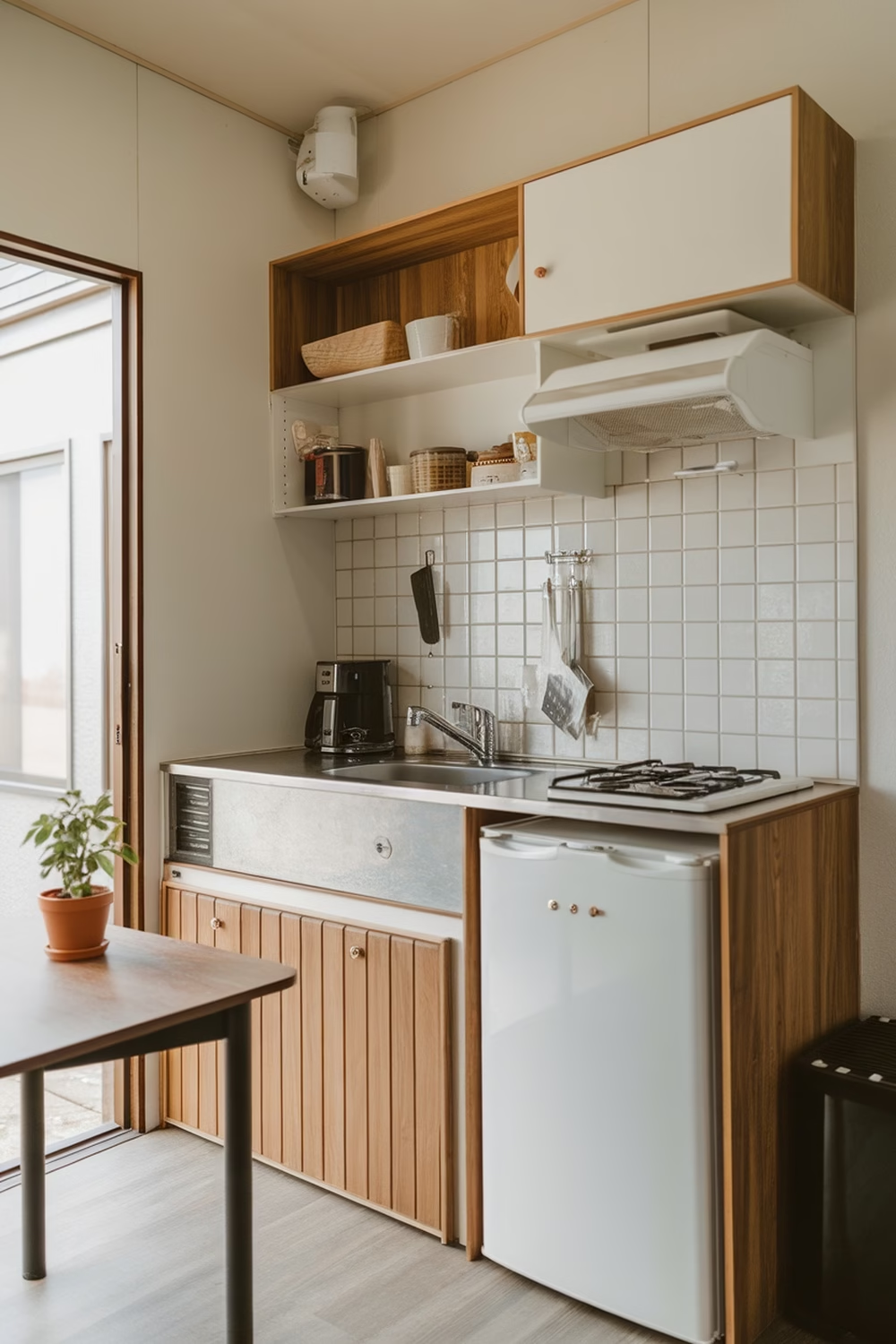
Japanese tiny house kitchens are a perfect blend of functionality and style. The image showcases a compact kitchen that maximizes space without sacrificing design. Notice how the layout is efficient, featuring essential appliances like a stove, sink, and refrigerator all within arm’s reach.
The use of light wood tones adds warmth to the space, making it feel inviting. Open shelving above the counter provides easy access to dishes and cooking essentials, while keeping the area open and airy. This design encourages organization, which is key in a small kitchen.
Another great feature is the small potted plant on the table. It adds a touch of greenery, brightening up the kitchen and enhancing the overall atmosphere. Incorporating plants is a simple way to make any kitchen feel more alive.
Overall, this kitchen design perfectly illustrates how to create a cozy yet functional cooking space in a tiny house. It’s all about smart storage solutions and thoughtful design choices.
Multi-Functional Spaces
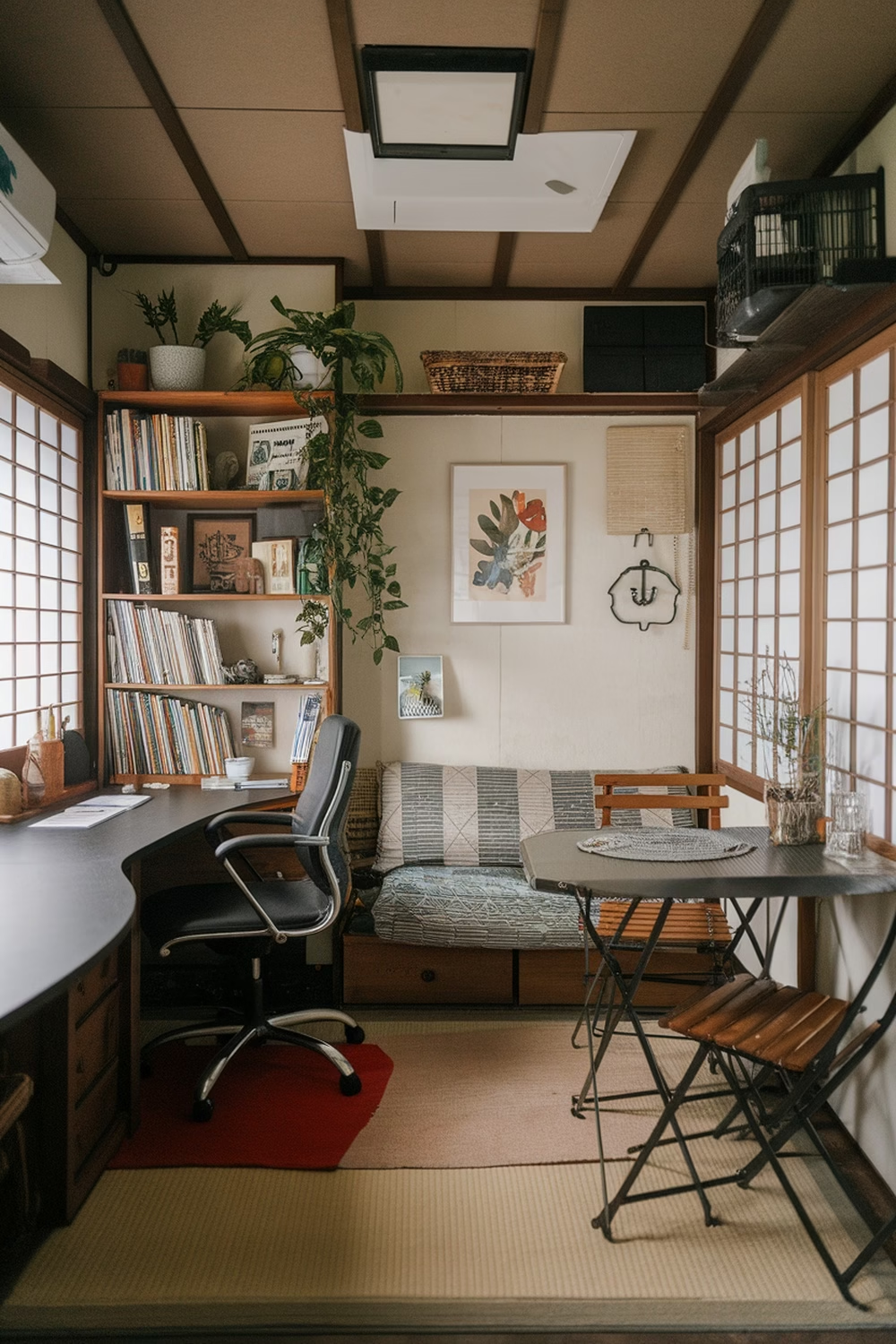
In a tiny Japanese house, every inch counts. The image showcases a cozy room that perfectly illustrates the idea of multi-functional spaces. The design cleverly combines a workspace, a relaxation area, and a dining nook all in one.
The desk area is practical, with a comfortable chair and ample storage for books and supplies. This setup allows for productivity without sacrificing comfort. The sofa doubles as a place to unwind, making it easy to transition from work to relaxation.
Natural light streams through the shoji screens, creating a warm atmosphere. Plants add a touch of nature, enhancing the overall vibe. The small dining table is ideal for meals or casual chats, proving that tiny spaces can be both functional and inviting.
This design shows how thoughtful planning can transform a small area into a versatile living space. It’s a great example of how Japanese tiny house designs maximize utility while maintaining a sense of style.
Natural Light and Ventilation
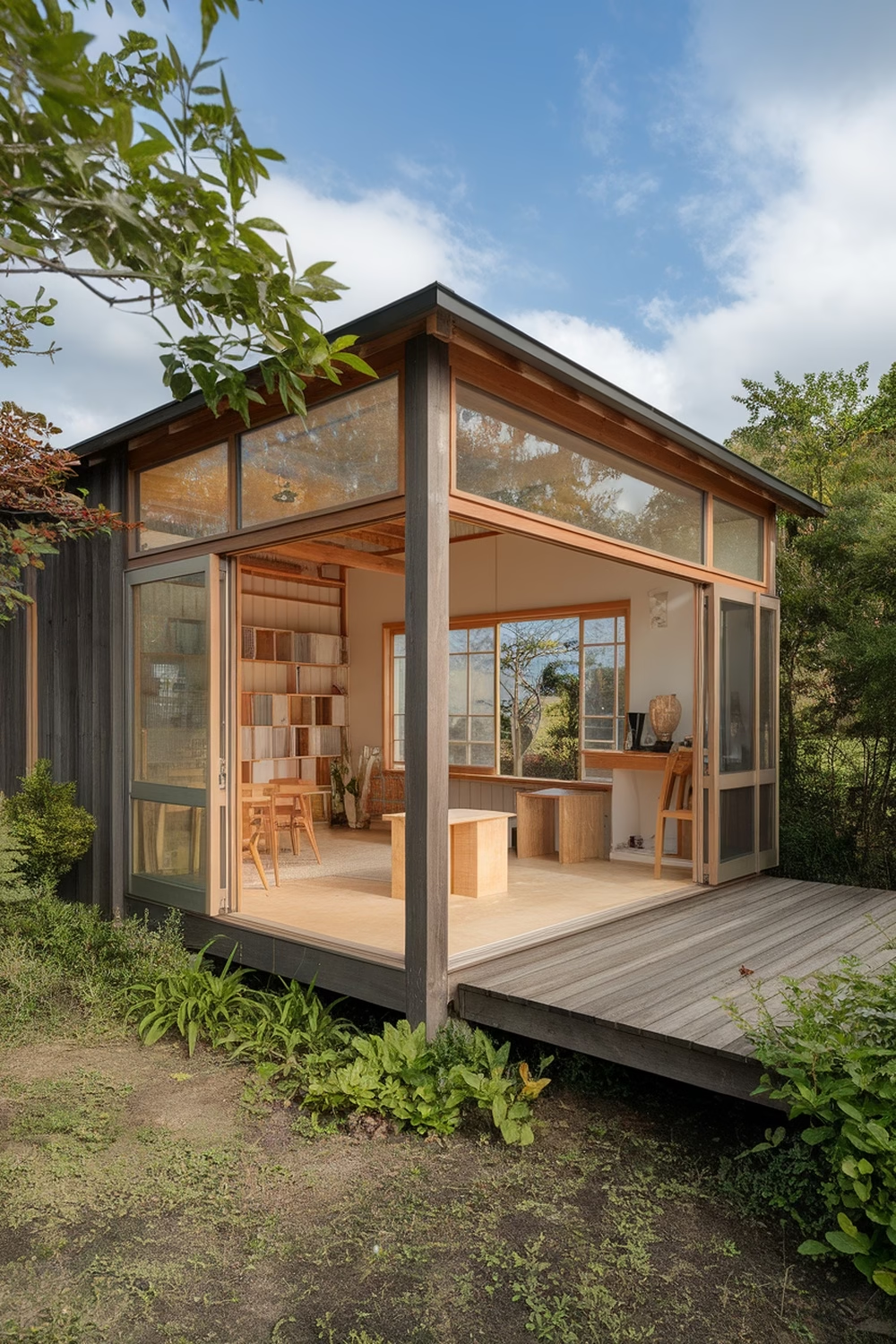
Natural light plays a key role in Japanese tiny house design. The image shows a charming small house with large windows that invite sunlight in. This design choice not only brightens the space but also creates a warm and inviting atmosphere.
Good ventilation is equally important. The open layout allows fresh air to flow through the house, keeping it comfortable. The sliding doors and windows can be easily opened to let in a breeze, making the space feel connected to nature.
Using natural materials like wood enhances the feeling of warmth and tranquility. The soft tones of the interior complement the natural light, creating a peaceful retreat. This design approach highlights the beauty of simplicity, making the most of both light and air.
Space-Saving Furniture Solutions
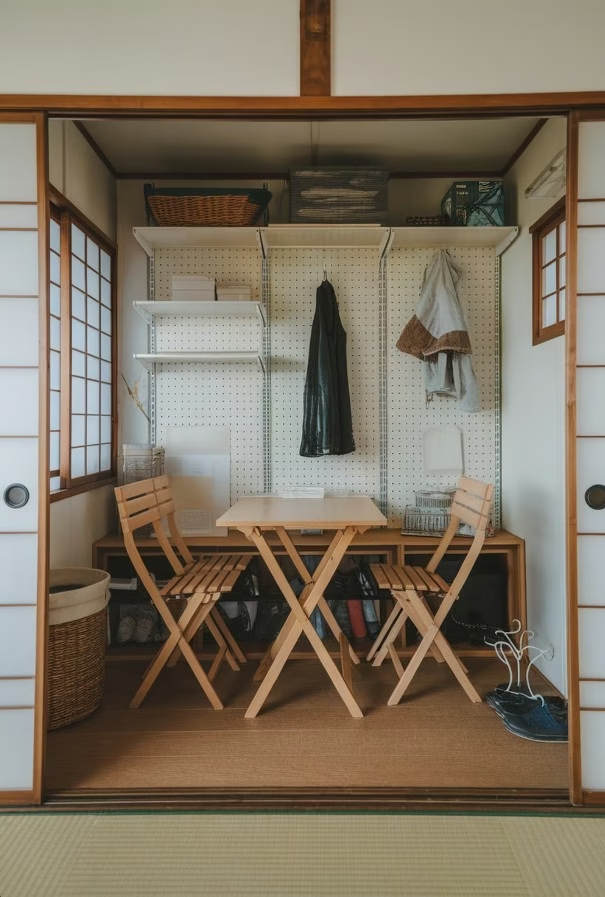
Japanese tiny house designs often focus on maximizing space. The image shows a clever setup with a foldable table and chairs. This type of furniture is perfect for small living areas, allowing for easy storage when not in use.
The wooden materials used here add warmth to the space. The light color of the furniture complements the neutral tones of the walls, creating a harmonious look. This design choice makes the room feel open and inviting.
In tiny homes, every piece of furniture should serve multiple purposes. The table can be used for dining or as a workspace, while the chairs can be tucked away neatly. This flexibility is key in small living spaces.
Incorporating sliding doors, as seen in the image, also helps save space. They eliminate the need for swing space, making the room feel larger. Overall, these design elements showcase how thoughtful furniture choices can enhance functionality in tiny homes.
Minimalist Zen Interiors
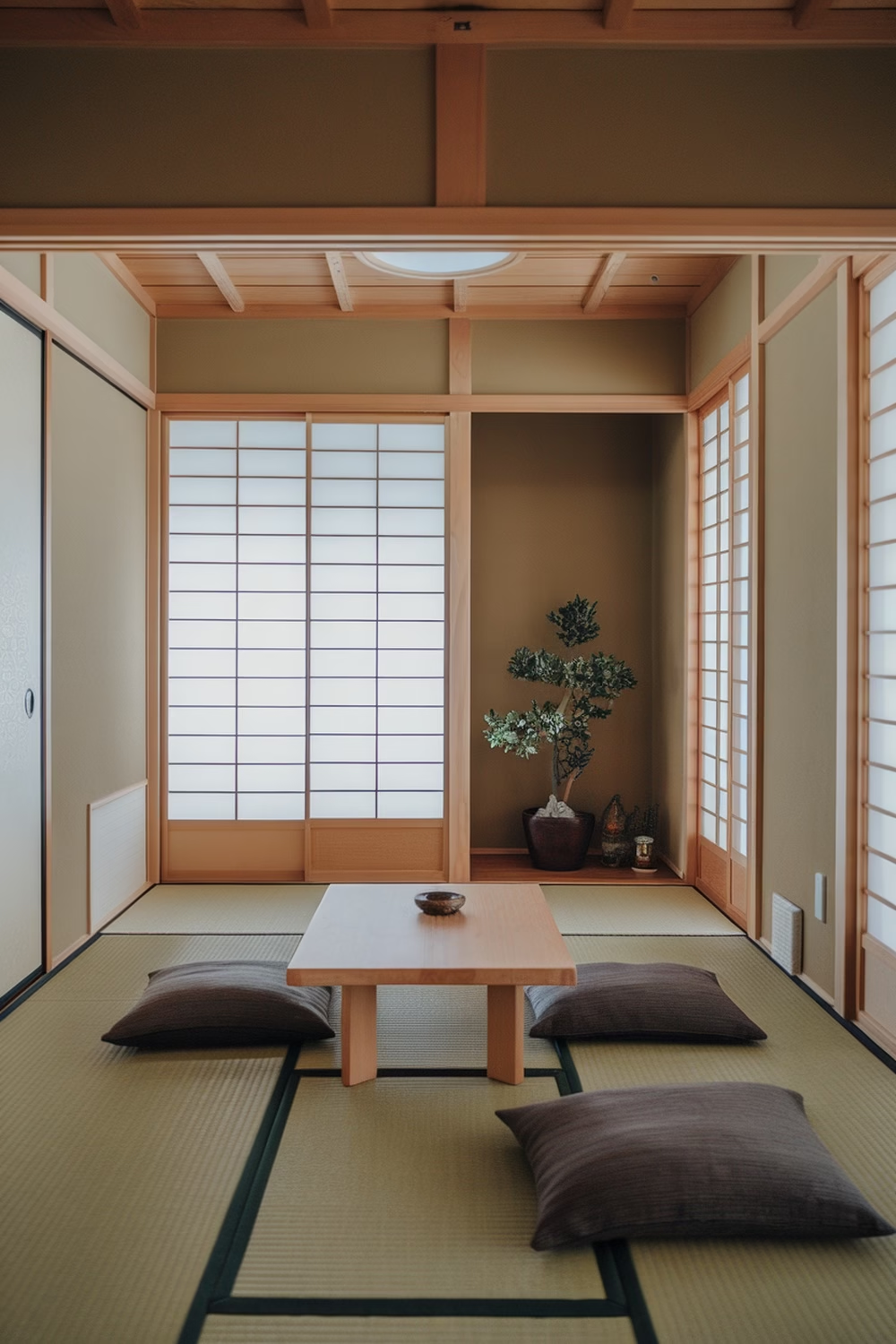
Minimalist Zen interiors focus on simplicity and tranquility. The image showcases a serene space that embodies these principles perfectly. The clean lines and natural materials create a calming atmosphere.
The room features tatami mats, which add warmth and texture. A low wooden table sits at the center, inviting gatherings and quiet moments. The cushions on the floor provide comfortable seating, enhancing the cozy feel.
Natural light filters through shoji screens, softening the space and connecting it with the outdoors. A small potted plant adds a touch of greenery, bringing life without clutter. This design encourages mindfulness and relaxation, making it ideal for a tiny house.
Incorporating these elements into your home can create a peaceful retreat. Focus on fewer items and let each piece serve a purpose. This approach not only maximizes space but also promotes a sense of calm.
Sustainable Building Materials
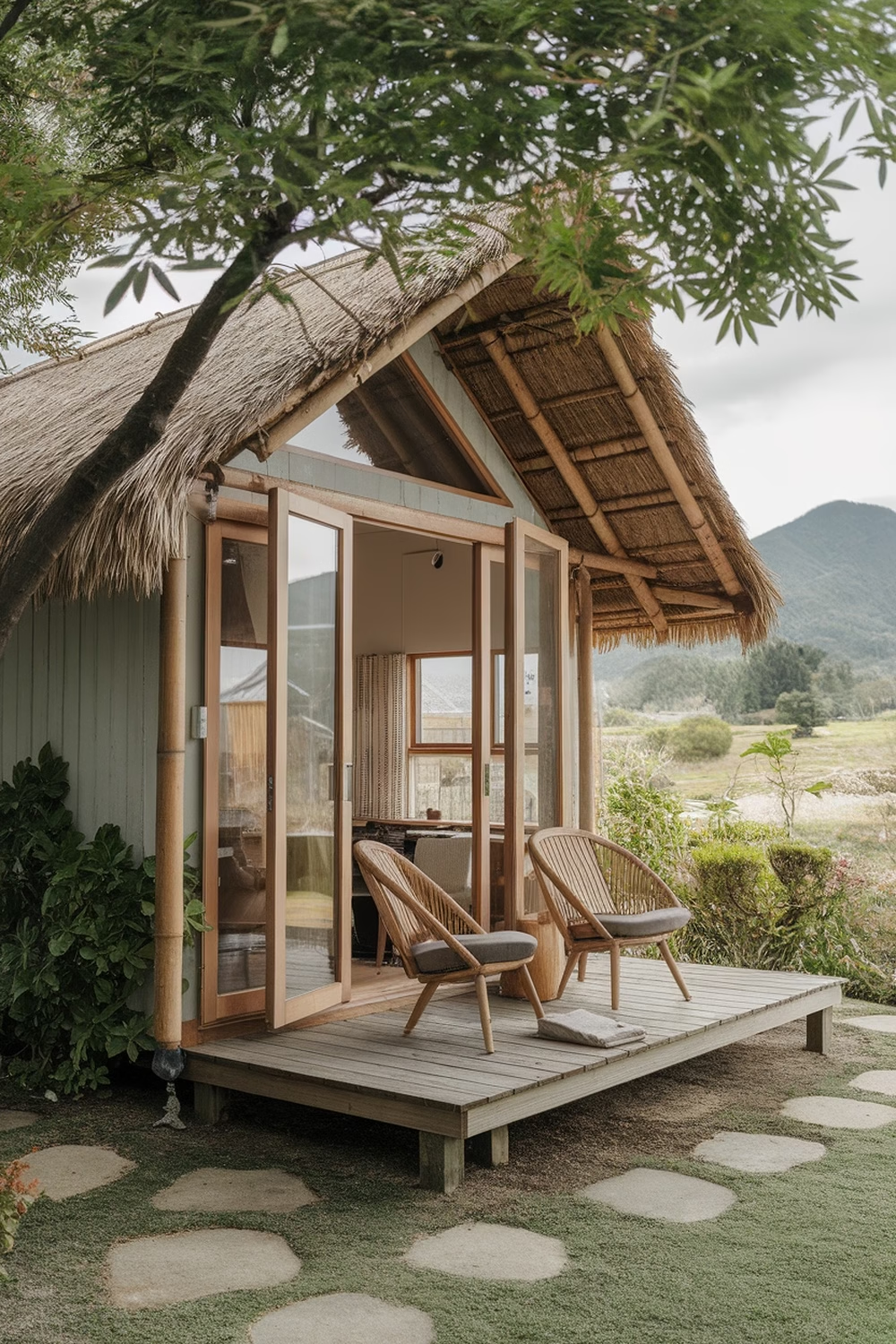
This charming tiny house showcases the beauty of sustainable building materials. The structure features a thatched roof, which not only adds character but also provides excellent insulation. The use of bamboo and wood in the framework highlights eco-friendly choices that are both durable and aesthetically pleasing.
The large glass doors invite natural light, creating a warm and welcoming atmosphere. This design emphasizes the connection between indoor and outdoor spaces, allowing residents to enjoy nature right from their living area.
Incorporating local and renewable materials reduces the carbon footprint of the home. This tiny house is a perfect example of how sustainable choices can lead to beautiful and functional living spaces.
Indoor-Outdoor Living
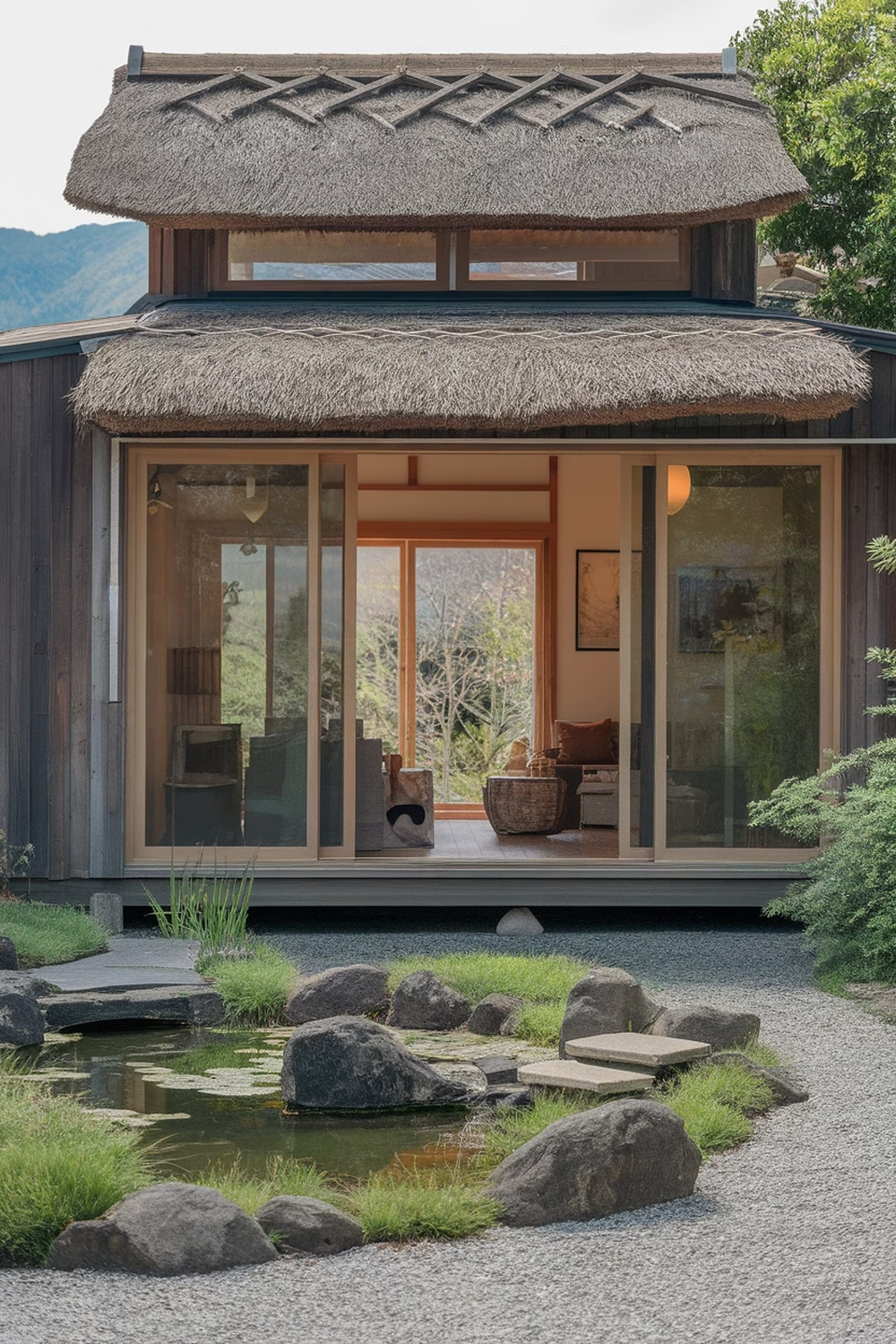
Japanese tiny houses often embrace the beauty of indoor-outdoor living. The image shows a stunning example of this design philosophy. The house features large glass doors that open up to a serene garden space, creating a seamless flow between the interior and exterior.
The natural elements outside, like the pond and rocks, complement the cozy interior. This connection to nature is a key aspect of Japanese design. It encourages relaxation and mindfulness, making the home feel more spacious and inviting.
Incorporating plants and natural materials inside enhances this experience. The use of wood and soft furnishings in the living area adds warmth, while the outdoor space provides a peaceful retreat. This balance of indoor and outdoor living is perfect for enjoying the changing seasons.
Traditional Japanese Aesthetics
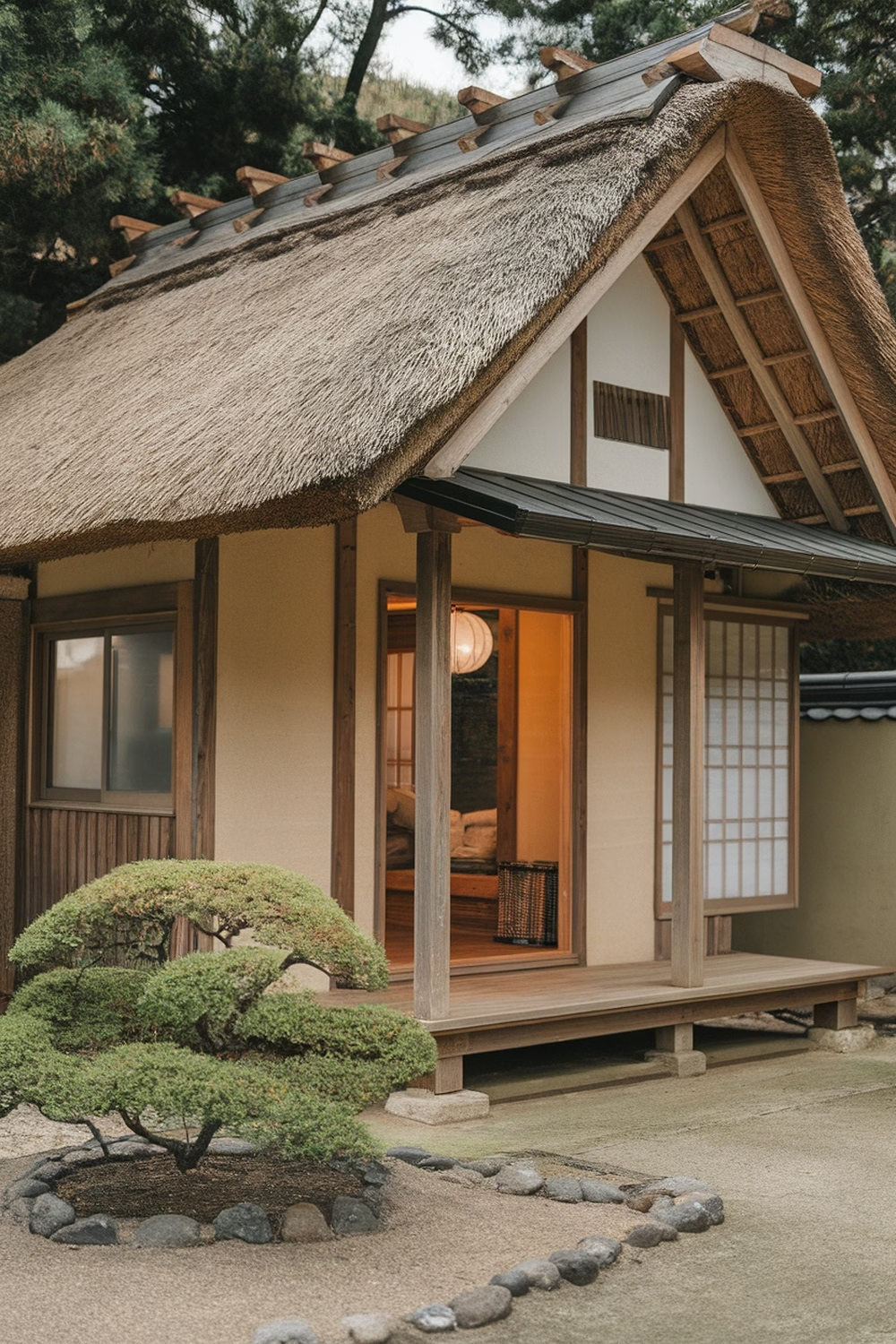
When you think of traditional Japanese aesthetics, images of simplicity and harmony often come to mind. The tiny house in the image beautifully captures these elements. With its thatched roof and wooden structure, it reflects a deep connection to nature.
The entrance invites you in, showcasing sliding doors that are a hallmark of Japanese design. These doors not only save space but also create a seamless flow between the indoors and outdoors. The carefully manicured bonsai in the foreground adds a touch of tranquility, emphasizing the importance of nature in Japanese culture.
Inside, the warm glow from the lantern hints at a cozy atmosphere. The use of natural materials, like wood and straw, creates a sense of warmth and comfort. This design philosophy values minimalism, allowing for a peaceful living space that encourages mindfulness.
Overall, this tiny house exemplifies traditional Japanese aesthetics, where every detail is thoughtfully considered. It’s a reminder that beauty can be found in simplicity and that a small space can still offer a rich living experience.
Traditional Bathing Areas
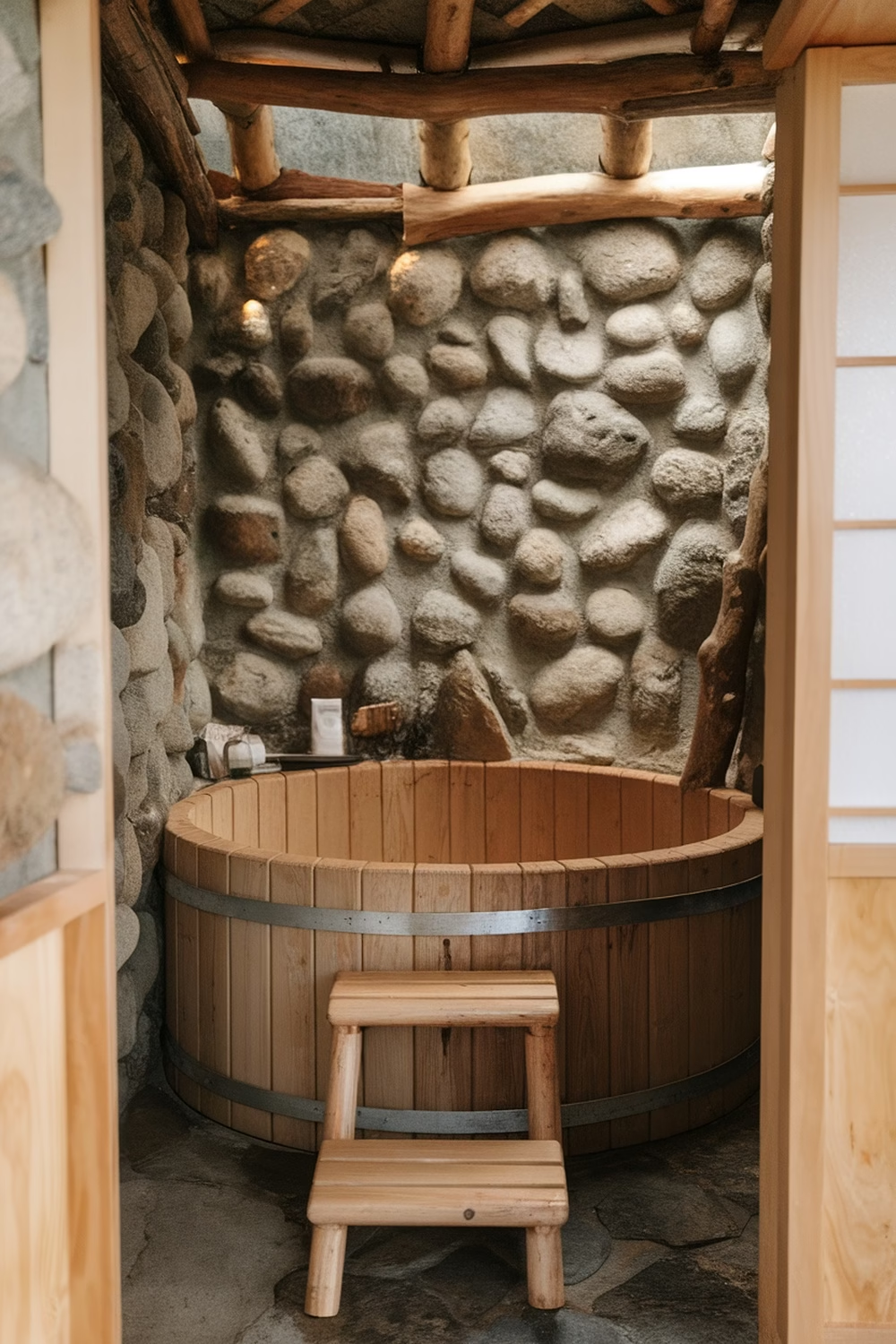
Japanese tiny houses often feature traditional bathing areas that reflect a deep appreciation for relaxation and nature. The image shows a wooden bath, known as an ofuro, surrounded by natural stone walls. This setup creates a serene atmosphere, perfect for unwinding after a long day.
The round shape of the bath invites a sense of comfort. It’s made from warm wood, which adds a cozy touch. The simple wooden stool nearby is practical and complements the overall design. This setup emphasizes functionality while maintaining a strong connection to nature.
Incorporating elements like stone walls and wooden fixtures not only enhances the aesthetic but also promotes a calming environment. Traditional bathing areas in Japanese homes are more than just a place to wash; they are a sanctuary for relaxation and mindfulness.
Cozy Reading Nooks
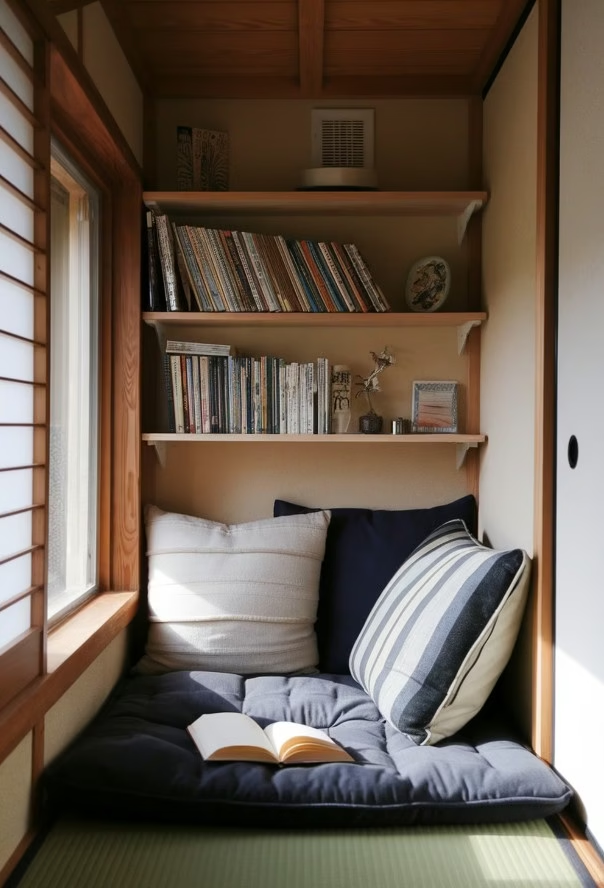
Creating a cozy reading nook in a tiny Japanese house can transform a small space into a personal retreat. The image showcases a charming corner filled with books, a comfortable chair, and soft cushions. This setup invites relaxation and quiet moments.
The light streaming through the shoji windows adds warmth to the space. A simple green lamp provides just the right amount of illumination for late-night reading. The wooden shelves are filled with books, making it easy to grab your favorite novel or discover something new.
In a tiny house, every inch counts. This nook is a perfect example of how to maximize space while keeping it inviting. The use of natural materials and soft colors enhances the overall feel, making it a perfect spot to unwind with a good book.
Innovative Storage Solutions
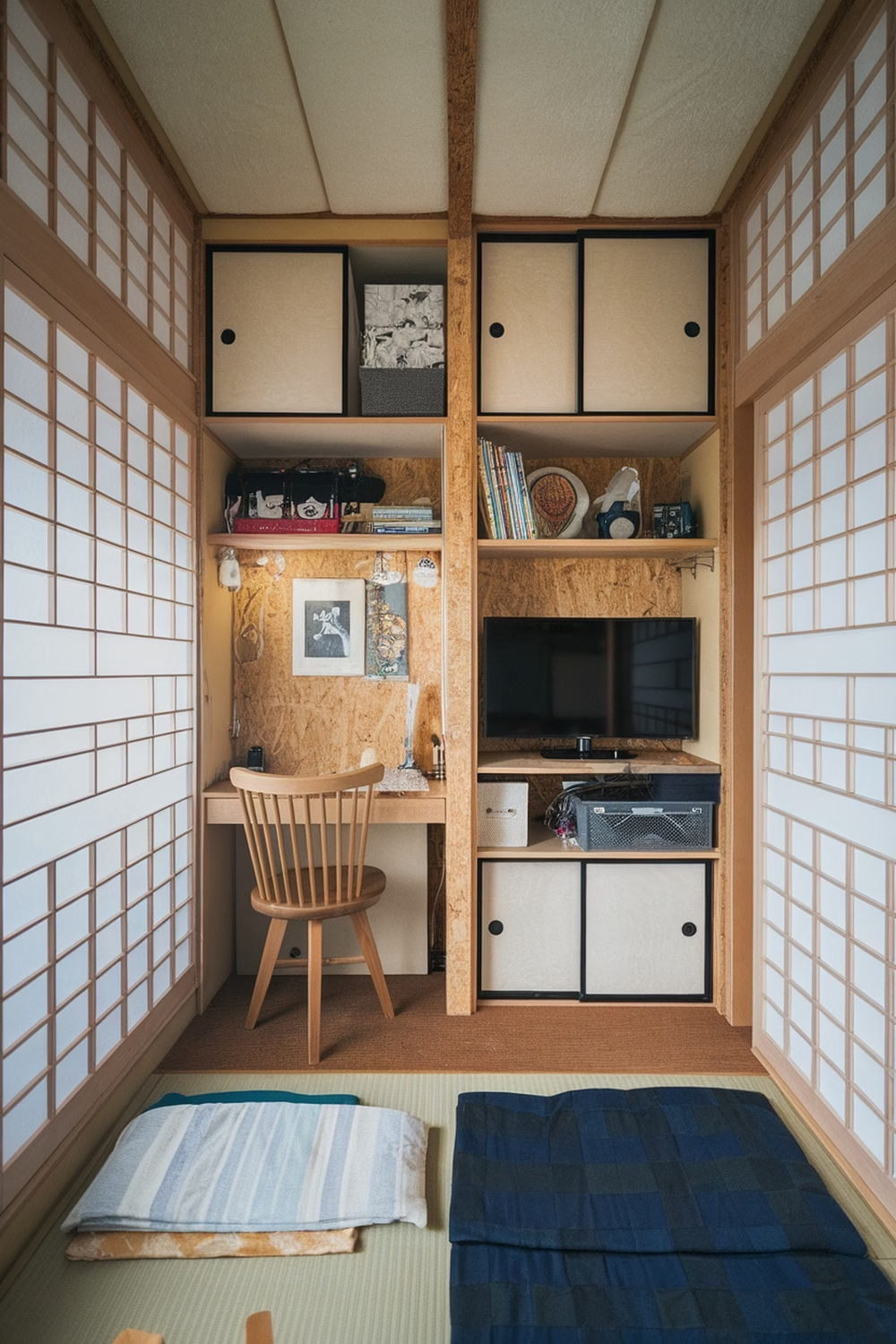
In a tiny Japanese house, every inch counts, and this image showcases some clever storage ideas. The room features a mix of open shelves and closed cabinets, providing both display space and hidden storage.
The wooden desk is neatly organized, with a few personal items and a lamp, making it a cozy workspace. Above, boxes and books are neatly arranged, keeping the area tidy while adding character. This design maximizes vertical space, which is key in small homes.
On the floor, traditional tatami mats create a warm and inviting atmosphere. The folded blankets show how easy it is to keep things organized without cluttering the space. This setup is perfect for anyone looking to blend functionality with style.
Cultural Influences in Design
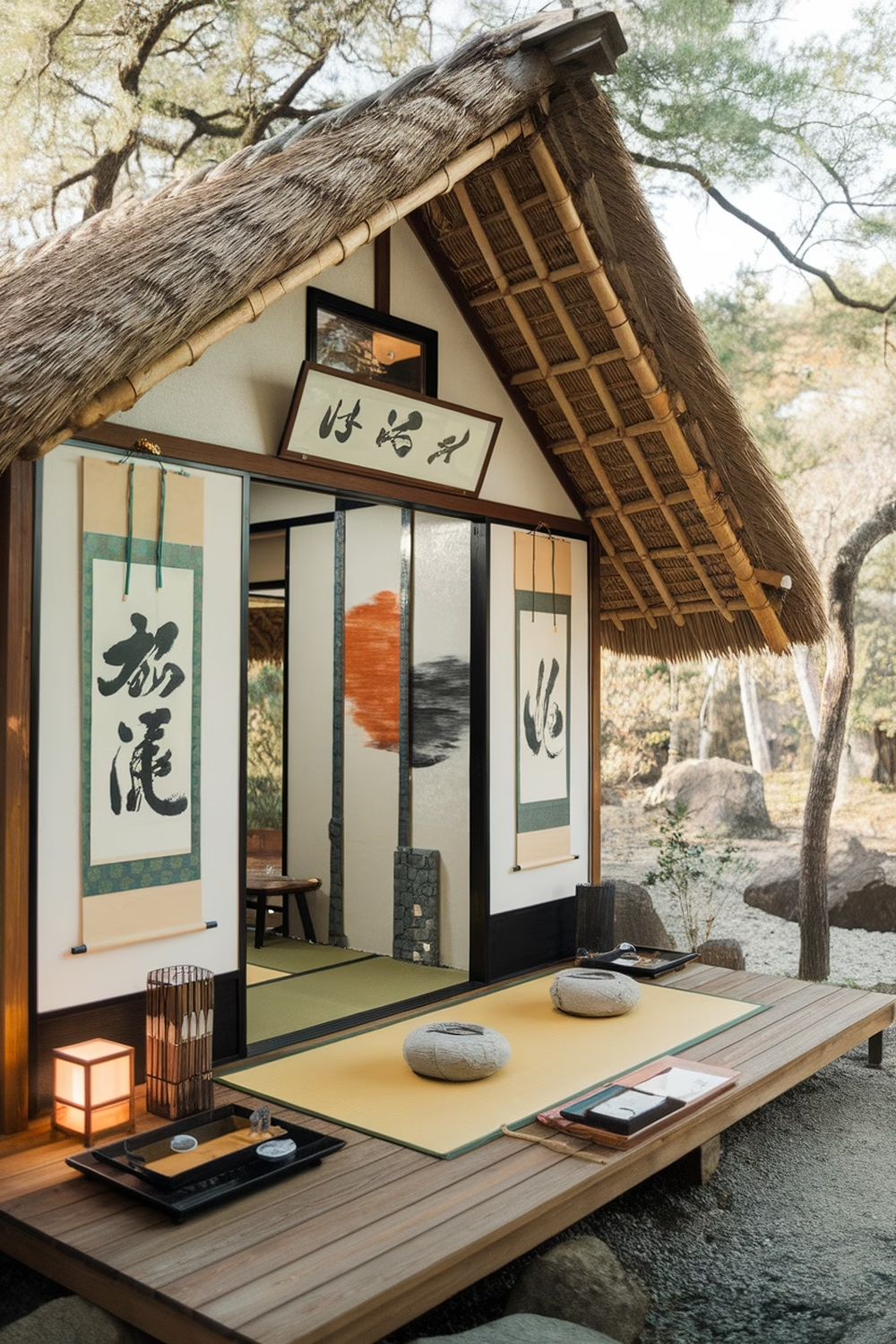
Japanese tiny houses often reflect a deep connection to nature and tradition. The image showcases a beautiful example of this design philosophy. The thatched roof and wooden structure blend seamlessly with the surrounding landscape, creating a serene atmosphere.
Inside, the use of tatami mats and sliding doors highlights the importance of simplicity and functionality. The calligraphy on the walls adds a touch of cultural richness, reminding us of Japan’s artistic heritage. These elements work together to create a space that feels both cozy and expansive.
Natural materials are key in Japanese design. The wooden beams and stone accents not only provide durability but also connect the home to its environment. This approach encourages a lifestyle that values harmony with nature, making tiny houses an ideal choice for those seeking tranquility.
Smart Home Technology Integration
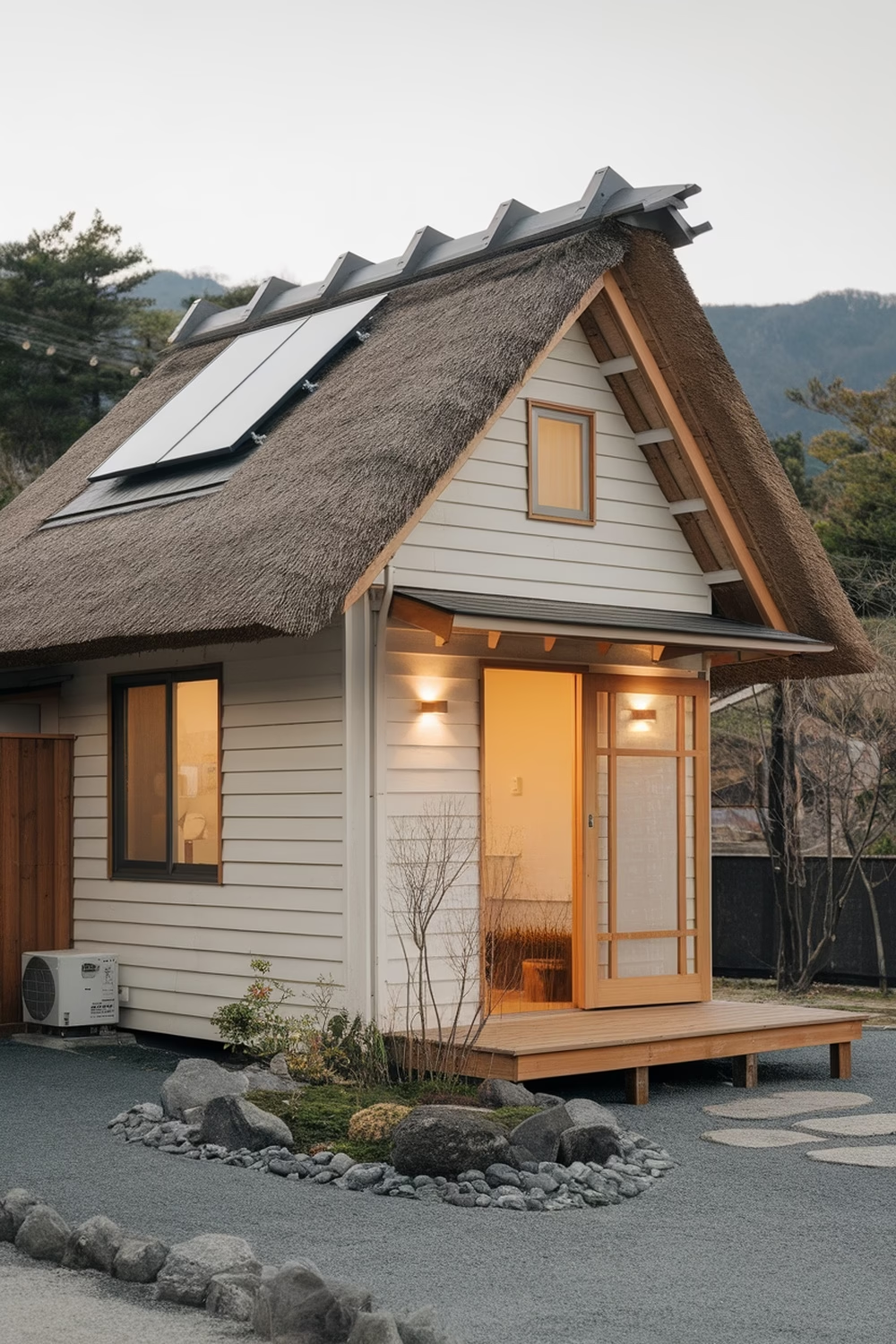
In modern tiny house designs, smart home technology plays a key role in maximizing space and efficiency. The image showcases a charming Japanese tiny house with a thatched roof and solar panels, highlighting how technology can blend seamlessly with traditional aesthetics.
Smart devices can control lighting, heating, and security systems, making life easier in compact living spaces. For instance, automated lighting can adjust based on the time of day, creating a cozy atmosphere while saving energy.
Moreover, the integration of solar panels not only reduces electricity costs but also supports sustainability. This tiny house exemplifies how eco-friendly solutions can enhance modern living.
With smart home technology, residents can monitor their energy usage and even control appliances remotely. This convenience is especially beneficial in smaller homes, where every square foot counts. Overall, combining smart technology with tiny house design leads to a more efficient and enjoyable living experience.
Vertical Gardening Concepts
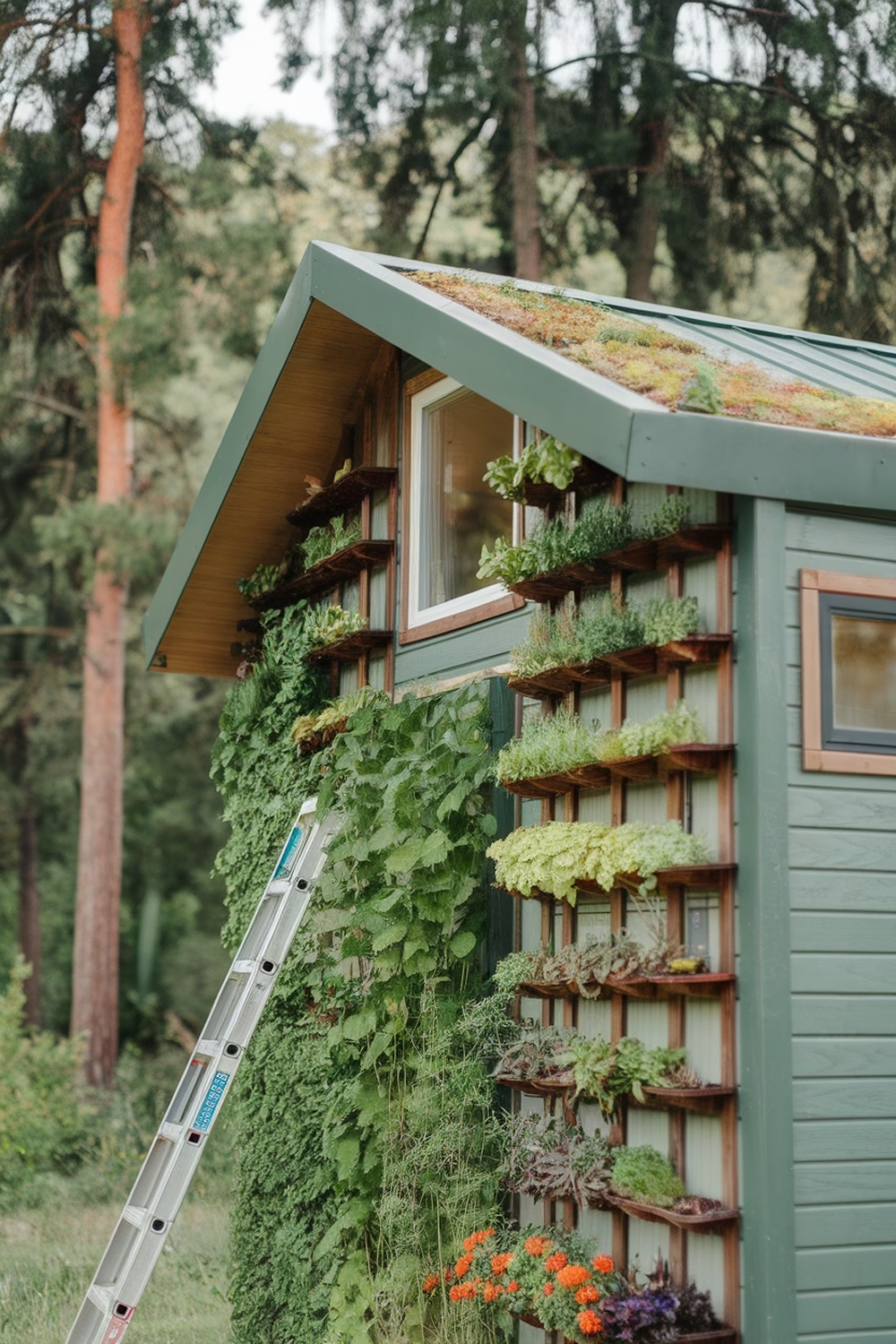
Vertical gardening is a fantastic way to maximize space, especially in tiny homes. The image shows a charming tiny house adorned with a variety of plants growing vertically along its walls. This approach not only adds beauty but also brings nature closer to home.
The green wall features neatly arranged planters filled with herbs and flowers. These plants not only look great but can also be used in cooking, making them practical for small living spaces. The ladder leaning against the house suggests easy access for maintenance and harvesting.
Incorporating vertical gardens into tiny house designs can create a refreshing atmosphere. It encourages a connection with nature, which is often missed in urban settings. Plus, it can improve air quality and provide a calming environment.
Whether you choose herbs, flowers, or even vegetables, vertical gardening is an excellent way to make the most of limited space. It’s a simple yet effective solution for anyone looking to enhance their tiny home experience.
Efficient Use of Vertical Space
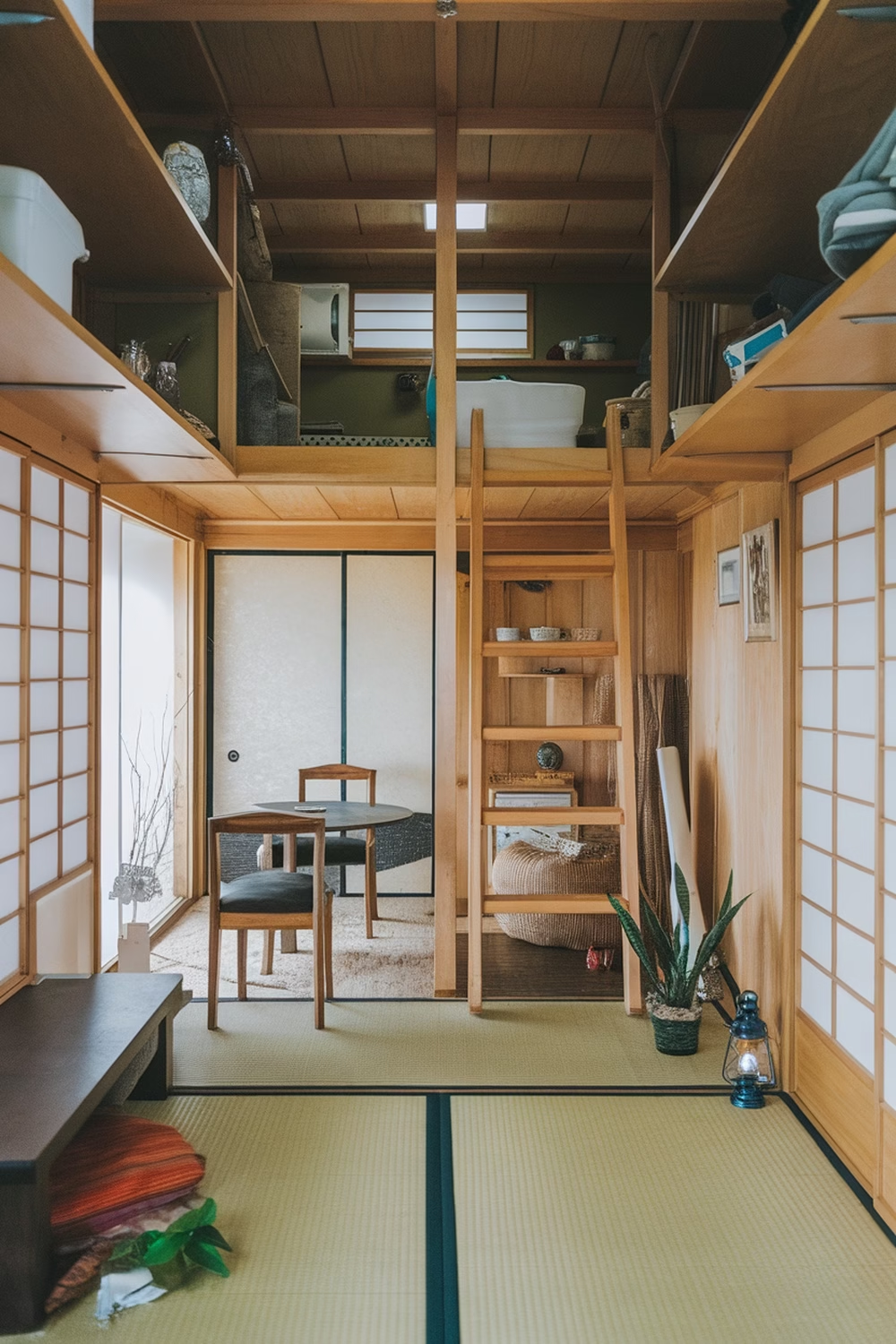
Japanese tiny houses are a great example of how to make the most of vertical space. The image shows a cozy interior with a lofted area, which is a smart way to utilize height. Instead of spreading out, this design goes up, allowing for more living space without needing a larger footprint.
The wooden ladder leading to the loft is not just functional; it adds character to the space. This area can serve multiple purposes, like a sleeping nook or a quiet reading spot. Below, the open layout keeps everything accessible and airy, making the home feel larger than it is.
Storage solutions are cleverly integrated into the design. Shelves line the walls, providing ample space for books, decor, and essentials. This keeps the floor clear and promotes a tidy environment. The use of natural materials, like wood, adds warmth and makes the space inviting.
In tiny house living, every inch counts. The vertical design maximizes usability while maintaining a minimalist aesthetic. It’s a perfect blend of style and practicality, showcasing how thoughtful design can transform small spaces into functional homes.