11 Beautiful Bird Bath Ideas
Birds don’t ask for much—clean water, a safe perch, and a spot where they can throw a little neighborhood pool party.
Set up a good bird bath and your yard turns into prime real estate for songbirds, hummingbirds, and maybe that one sassy robin who thinks he owns the place.
Are you ready to upgrade? Let’s dive into 11 bird bath ideas that look great and actually work.
Ground Baths That Mimic Nature
Want instant bird traffic? Go low. Many birds prefer shallow water at ground level because it feels like a puddle after rain.
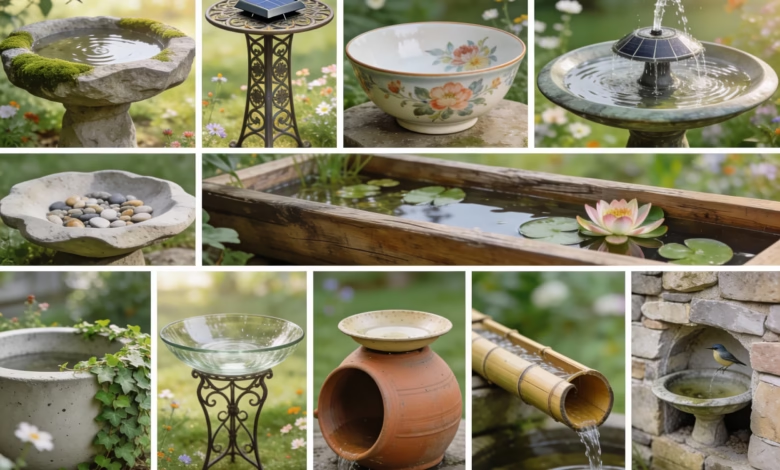
- Shallow saucer on the ground: Use a wide terra-cotta saucer (14–18 inches). Add a few pebbles so small birds can stand comfortably.
- Sunken stone basin: Nestle a shallow bowl into the soil and surround it with flat rocks. It blends in and stays stable.
- Leaf-litter edge: Leave a ring of mulch or leaves around the bath. Birds love hopping in from cover.
Pro tip
Keep water depth at 1–2 inches with a gentle slope. Anything deeper turns into a bird belly-flop zone.
Pedestal Classics (But Make Them Better)
Pedestal bird baths look elegant, but they often fail on function. Fix that with simple tweaks.
- Rough the rim: Sand the edge so birds can grip. Smooth, glossy rims = awkward slip-n-slide.
- Insert a rock island: Drop in a flat rock to reduce depth and give smaller birds a safe spot.
- Go wide, not deep: Choose a basin under 2 inches deep at the center. Fancy doesn’t need to mean risky.
FYI
Place pedestal baths near shrubs but not right next to them. You want quick cover, not ambush cover for cats.
DIY Baths From Simple Stuff
You don’t need a garden center haul. You need a rummage through your garage.
- Terra-cotta stack: Flip clay pots upside down as a base, top with a saucer. Stable, cute, cheap.
- Upcycled trash can lid: Set a metal or plastic lid on bricks. Add stones for texture. You just built a pop-up spa.
- Plant stand + pie plate: Use a sturdy stand and a metal pie pan. It’s light and easy to clean.
Seal and protect
If you use porous materials, seal them with a non-toxic, water-safe sealer. That keeps algae out and cleaning easy.
Moving Water = Bird Magnet
Birds hear water. They come investigate. It’s like bird marketing.
- Solar fountain insert: Pop a small solar pump into a saucer. Choose a bubbler head, not a geyser.
- Water wiggler: These battery gadgets keep water rippling to attract birds and deter mosquitoes.
- DIY dripper: Poke a tiny hole in a bucket or use a hose dripper to create a slow, steady drip. Cheap and irresistible.
Keep the splash gentle
Aim for subtle movement. Hummingbirds and small songbirds avoid giant spray jets (IMO, those are more for Instagram than wildlife).
Low-Maintenance Options for Busy Humans
You want birds, not chores. Same.
- Glazed ceramic with slope: Glazed surfaces clean fast. Just avoid super-slick bowls without texture.
- Draining saucer design: Tilt the bath slightly or include a small overflow notch to prevent stagnation after rain.
- Self-filling with a float valve: Hook up a hose to a livestock float valve in a larger basin. It maintains depth automatically.
Weekly routine
Dump, scrub with a stiff brush, rinse. Skip soap if possible; use a 1:9 vinegar-water solution when needed and rinse thoroughly.
Baths for Small Spaces and Balconies
No yard? Birds don’t care. They just want a safe drink.
- Railing-mounted bath: Clamp a shallow bowl to your balcony. Add a perch stick for stability.
- Window shelf bath: Use a suction-cup shelf rated for outdoor use. Keep it shallow and clean often.
- Hanging saucer: Suspend a lightweight dish with chain. Keep it low-swing by anchoring two corners.
Safety first
Place baths away from busy windows and use decals or screens to reduce collisions. Birds can’t outmuscle glass.
Seasonal Tweaks That Matter
Your bath should work year-round, not just during your gardening mood.
- Winter heaters: Use a bird-safe de-icer or a heated bowl. Birds need water most when everything freezes.
- Summer shade: Move baths into partial shade to slow algae and keep water cooler.
- Migration season: Add extra shallow basins. You’ll host more species during peak travel weeks.
Algae control
No bleach baths, please. Shade, frequent changes, and scrubbing beat chemicals. If algae wins, try darker bowls and less direct sun.
Design Ideas That Look Stunning
Let’s talk style without sacrificing function. You can have both, promise.
- Modern concrete disk: A shallow poured-concrete slab with a slight slope. Minimalist and bird-friendly.
- River rock mosaic: Line a shallow tray with smooth pebbles. Great grip and visual texture.
- Whiskey barrel half: Insert a shallow inner tray so you keep the rustic look without deep water.
- Driftwood edge bath: A low bowl ringed with driftwood pieces. Looks beachy, stays practical.
- Stacked slate bubbler: A small pump under slate pieces creates a gentle trickle over rock. Chef’s kiss.
- Color-pop ceramic: A bright glazed saucer on a simple stand. Birds don’t care about the hue, but you’ll smile every time.
- Terraced “spa”: Two shallow dishes at different heights with a dripper between them. Movement plus multiple depths.
- Wildflower surround: Tuck a low bath into a native-plant patch. It looks intentional and gives birds cover.
- Log pedestal: Mount a saucer on a sturdy log round. Natural, sturdy, easy to refresh.
- Repurposed birdhouse base: Retire an old birdhouse and use the post to support a new bath dish. Cute story, functional result.
- Zen gravel frame: Set a shallow basin inside a square of raked gravel. Meditative for you, splash zone for them.
Color and placement
Neutral tones blend better and attract cautious species. Place baths where you can see them from a window—front-row wildlife TV, no subscription required.
Make It Safe: Predators, Depth, and Hygiene
Let’s set up your bath so birds leave happy, not stressed.
- Depth and slope: 0.5–2 inches with a gradual incline. Add stones so even the tiniest finch can stand confidently.
- Escape routes: Keep a few sturdy sticks or a low rock in the middle. Wet feathers feel heavy.
- Predator check: Place baths 6–10 feet from dense shrubs. Birds need a dash distance, not a hiding cat zone.
- No slick surfaces: Texture matters. If your bowl feels like a skating rink, rough it up.
- Change water often: Every 2–3 days in mild weather; daily in heat. Mosquitoes hate you for this.
FAQ
How deep should a bird bath be?
Aim for 1–2 inches at the center with a gradual slope to the edges. Shallow water attracts more species and keeps birds safer. Add stones or gravel if your bowl runs deep.
Where should I place my bird bath?
Pick a spot with partial shade and clear sightlines, about 6–10 feet from shrubs. That gives birds quick cover without turning the bath into a cat buffet. Also, place it where you’ll actually see and maintain it—out of sight means out of mind.
How do I keep the water clean without harsh chemicals?
Dump, scrub, rinse—repeat. Use a stiff brush and, when needed, a diluted vinegar solution (1:9). Moving water and partial shade both slow algae growth, IMO the easiest long-term fix.
Do I need a heater in winter?
If temps drop below freezing, yes. A bird-safe de-icer or heated bowl provides vital liquid water. Don’t add salt or antifreeze—ever.
Will moving water really attract more birds?
Absolutely. Drips, ripples, and gentle bubbles signal fresh water and pull birds in from across the block. Keep the movement soft; huge sprays waste water and scare smaller species.
Can I use a metal bowl?
You can, but watch temperature. Metal heats up quickly in the sun and chills rapidly in winter. Add stones for grip and move it into shade in hot weather.
Conclusion
You don’t need a giant fountain or a landscape architect to make birds happy. Pick a shallow basin, add texture, keep it clean, and give it a little movement.
Do that, and your yard becomes the cool hangout spot where birds drop by, splash around, and maybe even flex their feathers a little.
Simple, effective, and, FYI, way more entertaining than scrolling your feed.